
Film ratings
What G, PG, PG-13, R and NC-17 Mean, and How to Appeal a Rating
The G-to-NC-17 letters on posters come from a voluntary, industry-run system. Here is what each rating means, who reviews films and how a rating can be appealed.
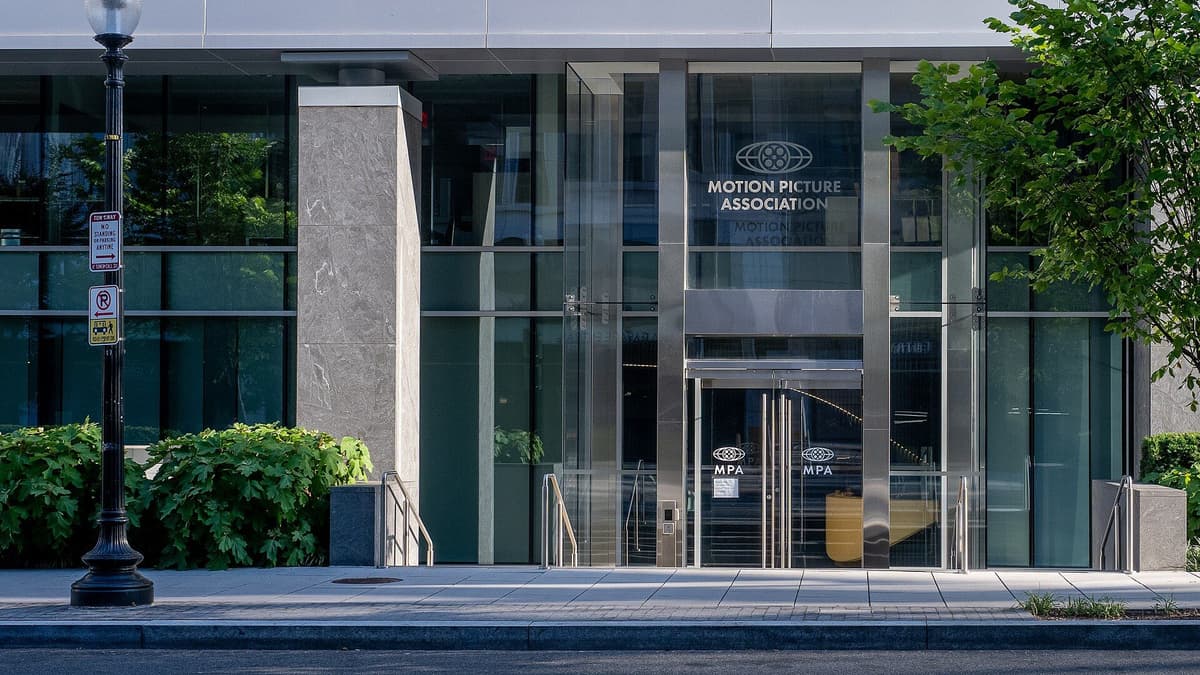
The letters printed on movie posters and trailers, G, PG, PG-13, R and NC-17, come from a voluntary system rather than a government one. The Motion Picture Association runs it through the Classification and Rating Administration, known as CARA. The association says the ratings are meant to tell parents what a film contains.
The association dates the system to 1968. In its account, the years before it were marked by local, state and federal boards that applied inconsistent standards of morality and could alter or block films. Under the current system, the decision about what children watch is left to families. This explainer covers what each rating means, who reviews films, and how an appeal works, using CARA's own pages and the association's statements.
What each rating tells parents
G means all ages are admitted. CARA's site describes these films as having nothing likely to offend parents of younger children, with minimal violence and no nudity, sex or drug use. The site also says a G rating does not signal that a film is made for children.
PG suggests parents look into a film before letting younger children attend. Some material may be unsuitable, and the decision is left to parents. A PG film can include some profanity, violence or brief nudity, but no drug use.
PG-13 is described as a sterner warning to parents of children under 13. A film at this level can go further than PG in violence, nudity, language or adult activity, but it does not reach R. The site says a mature theme alone will not push a film above PG-13, although depictions of related activity might.
R carries a warning that parents are urged to take very seriously. The site lists adult themes, hard language, intense or persistent violence, sexually oriented nudity and drug abuse as possible content. Viewers under 17 need a parent or adult guardian, and young children generally should not attend.
NC-17 means the Rating Board considers a film too adult for anyone 17 and under, so no children are admitted. The site adds that NC-17 does not mean obscene or pornographic, and that it is not a negative judgment. Content that can lead to the rating includes violence, sex, aberrational behavior, drug abuse and other material.
The site also lists GP, M, M/PG and X as obsolete ratings, so they are not part of the current scale.
Who reviews films and how often
The body that hears appeals is the Classification and Rating Appeals Board. CARA's 2017 statement describes it as made up of industry members with knowledge of film distribution and exhibition. CARA's 2018 and 2019 releases use the same description and say its purpose is to protect the integrity of the voluntary system.
CARA's site says the Board reviews 800 to 900 films each year. The MPA's 2013 statement puts the figure at up to 800. The sources read for this article do not explain the difference.
CARA publishes a weekly bulletin of feature-length films rated the previous week under the Motion Picture Classification and Rating program. A weekly email service, Red Carpet Ratings, sends updates on newly premiered films and their ratings and descriptors. Complaints and comments go through a contact page.
CARA says violence, language, drug use and sexuality are regularly re-evaluated through surveys and focus groups, and that the system changes as parental attitudes change. The 2017 statement describes this as an ongoing review of content categories rather than announcing specific changes.
The published material does not say who carries out the first rating of a film, or how a studio submits one. The filmratings site has a Submit a Film link but does not describe the steps.
How an appeal works, with recent examples
A filmmaker who believes a film was rated too strictly can ask for a lower rating. The filmmaker presents the argument to the appeals board, which decides whether a lower rating is appropriate. In the 2018 Hustle appeal, the appellant was Metro-Goldwyn-Mayer Pictures, represented by a producer on the film and the president of MGM Film Group.
To succeed, an appeal needs a two-thirds majority of the Board finding the rating "clearly erroneous." An appeal succeeds only when two-thirds of the board agree the rating is wrong. CARA says this threshold keeps ratings consistent, and that consistency keeps the system credible.
The appeal releases give a few recent cases. In December 2017 the R rating for The 15:17 to Paris was overturned. In 2018 the Board overturned the R rating for The Hustle and changed it to PG-13 for crude sexual content and language.
On February 5, 2019, the Board upheld the R rating for The Reliant, which the release says was rated for some violence.
Appeals remain uncommon. CARA says usually fewer than a dozen ratings are appealed in a year. The MPA's 2013 statement adds that about one-third of those appeals are overturned.
“An appeal succeeds only when two-thirds of the board agree the rating is wrong.”
What ratings measure and what they do not
CARA states that its ratings do not judge whether a film is good or bad. Its 2017 statement also says the organisation does not set social policy. The ratings reflect the Rating Board's view of what most parents would consider appropriate for their children, according to the homepage.
Published ratings include reasons. The site gives the example of The Magic Faraway Tree, rated PG for rude humor, mild action and brief language. The 2013 MPA statement frames the system as a free speech matter, saying it lets filmmakers tell their stories without government-imposed content limits while giving audiences information.
Where the published figures differ
The figures in this article come from organisation-published material. The MPA's 2013 statement gives up to 800 films a year and an overturn share of about one-third. CARA's 2017, 2018 and 2019 pages give 800 to 900 films a year and say usually fewer than a dozen ratings are appealed. None of those pages gives an overturn share.
The one-third figure is more than a decade old, since the MPA statement it comes from is dated December 24, 2013. The sources read for this article do not show whether it still applies.
The full text of the rating rules is not reproduced in the pages cited here. CARA's site points readers to a Rating Rules tab and to its weekly bulletin for more detail.
More in Culture
music licensing
Why the same song can cost $500 or $500,000 in sync licensing
Sync fees are fully negotiated with no statutory rates.
SAG-AFTRA
SAG-AFTRA's 2026 Contract Sets New Rules for Digital Replicas and AI Performers
The 2026 SAG-AFTRA contract sets strict rules for digital replicas and synthetic performers, including consent, compensation, and justification requirements that producers must follow.