
Universal Music Group
Why Universal Music Is Licensing One AI Company While Suing Another
Universal Music signed a licensing deal with ElevenLabs for an AI remix platform, even as it keeps suing rival AI company Suno in federal court.
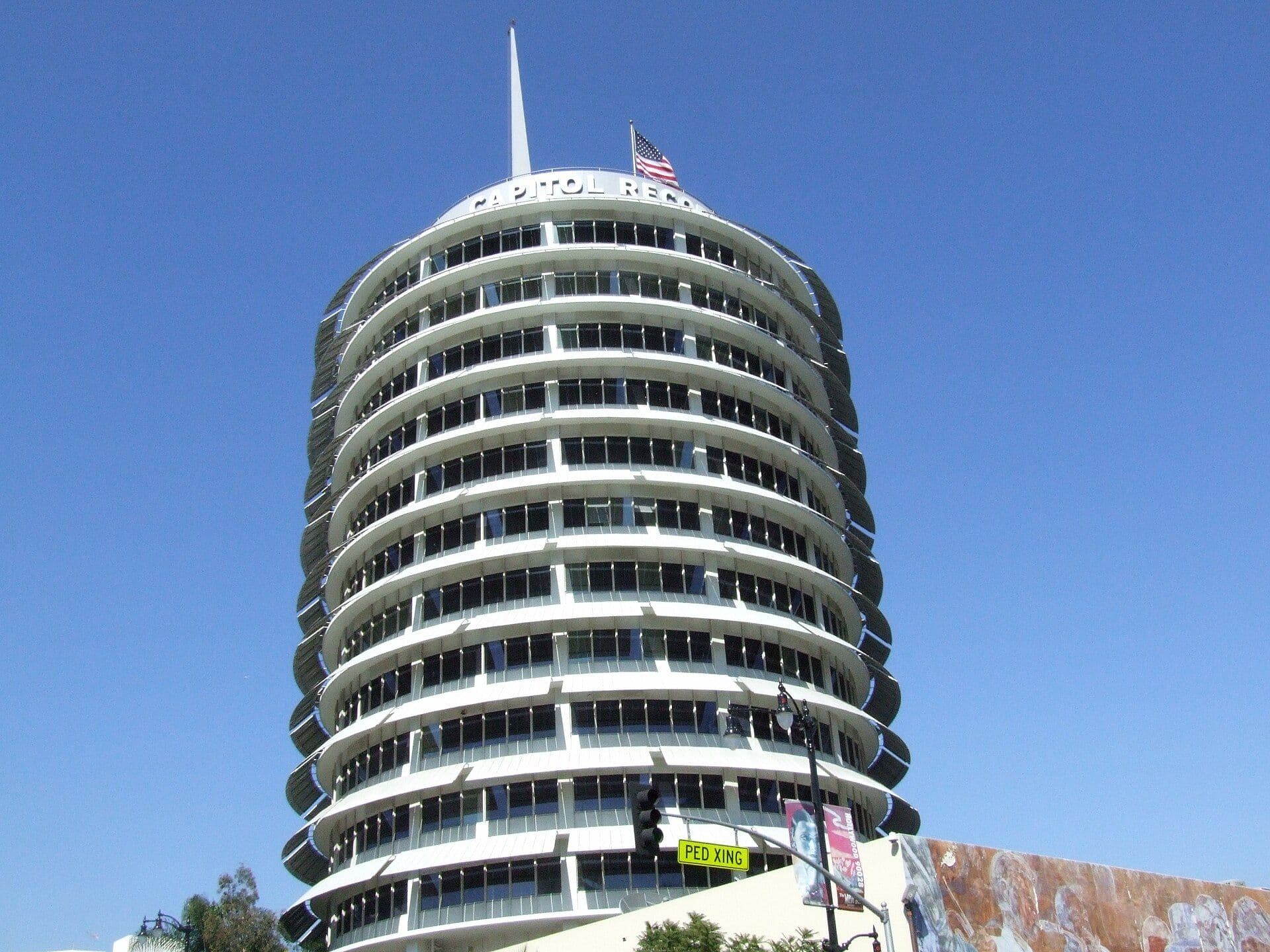
Universal Music Group and ElevenLabs announced a multi-year strategic agreement on September 10, 2026, to build a licensed platform that lets fans remix, mash up and reinterpret songs from participating UMG artists. The companies will also jointly develop AI audio tools for artists and songwriters to use in their own work. It is ElevenLabs' first agreement with a major music company.
The deal is notable for what did not precede it: a lawsuit. Universal's prior arrangements with AI music companies, and similar deals struck by Warner Music Group, followed more than a year of federal copyright litigation. Universal and Sony Music are still suing a different AI company, Suno, over nearly identical claims, in a case that remains in active discovery.
What the ElevenLabs Deal Covers
According to the companies' joint announcement, the new platform will let fans create remixes, mashups, "new track interpretations" and personalized vocal experiences using music from artists who choose to participate. It is separate from ElevenLabs' existing Music API and its ElevenMusic generation app.
UMG chairman and chief executive Sir Lucian Grainge said the most promising uses of AI in music are ones that put artists "at the center." ElevenLabs chief executive Mati Staniszewski said the technology opens new ways for fans to interact with the music they already love.
Neither company disclosed a launch date, pricing, or how revenue would be split between the platform, UMG, and participating artists and songwriters. ElevenLabs has committed to an equal royalty split between labels and publishers in separate licensing agreements with the rights groups Kobalt and Merlin, but it is not yet known whether the same structure applies to the UMG platform.
ElevenLabs was valued at $11 billion in a February 2026 funding round, more than double the $5.4 billion valuation AI music rival Suno reached in June. ElevenLabs has said it has surpassed $500 million in annualized revenue.
From Courtroom to Contract
The Recording Industry Association of America filed suit on behalf of Universal, Sony and Warner against both Suno and Udio in June 2024, in federal courts in Massachusetts and New York. The labels alleged the companies trained AI models on copyrighted recordings without permission or payment.
Universal settled its case against Udio in October 2025. The settlement combined a compensatory payment with new licensing agreements covering recorded music and publishing. The specific royalty terms are reported to be confidential; a source close to the deal told Billboard that participating artists and songwriters would be paid for both the AI model's training and its outputs, though further details are unclear. Udio's existing product remained available to users during a transition period, with fingerprinting, filtering and other measures added ahead of the new platform's launch.
Warner Music settled with both Udio and Suno in November 2025, agreeing to license its catalog for a new generation of AI models set to launch in 2026. Under that deal, artists have the right to opt in to let their names, images, likenesses, voices and compositions be used in new AI-generated music.
The Lawsuit That Hasn't Settled
Universal and Sony have not reached a settlement with Suno. Fact discovery in that case is scheduled to close September 30, 2026, and dispositive motions are due in April 2027, meaning the underlying question of whether training AI models on copyrighted recordings qualifies as fair use is unlikely to be resolved before 2027.
The case has grown more contentious this year. In May 2026, Universal and Sony asked the court to add 61,026 recordings to the suit after using audio-fingerprinting analysis of Suno's training data, a move that could raise potential statutory damages from roughly $84 million to more than $9 billion. Suno is opposing the expansion, pointing to a June 2026 ruling in which a New York judge denied Sony a similar request to add more than 30,000 recordings to its case against Udio.
Universal Music is now suing one AI company for the same conduct it is licensing to another.
“Universal Music is now suing one AI company for the same conduct it is licensing to another.”
What Opt-In Actually Means
Across all of these deals, participation by individual artists is described as opt-in rather than automatic. That structure means UMG's full catalog will not appear on the ElevenLabs platform at launch; only the artists and songwriters who agree to participate will be included.
The scope of that veto is still untested. Neither the ElevenLabs announcement nor the earlier Udio and Suno settlements spell out how artists are notified, what happens to co-written or sampled works, or how disputes over consent would be resolved.
The Musicians Left Out of the Settlements
The shift toward licensing has produced its own legal fallout. The American Federation of Musicians, the union representing session and studio musicians, sued Universal, Warner Records and Atlantic Recording in the Southern District of New York on June 5, 2026, and filed an amended complaint on July 24, 2026.
The union argues the labels triggered the "new use" provision of its Sound Recording Labor Agreement when they licensed catalog recordings to Suno and Udio as part of their settlements. That provision requires labels to notify the union and pay musicians additional compensation when recordings are put to a new commercial use, including AI training. The AFM says session musicians whose performances are on the licensed recordings were not compensated under the settlements. The lawsuit remains active.
More from Culture

craft
How a Score Shapes a Scene
Music is the least-noticed and most manipulative tool in the kit. Understanding what it is doing changes what you see.

criticism
What Criticism Is For Now
Recommendation has been fully automated. What remains is the part algorithms cannot do — and it is the more interesting half.