
streaming
Netflix Agrees to Buy Radford Studios for $330 Million to $400 Million
Netflix is under contract to buy its first major Los Angeles soundstage campus as streamers shift from renting expensive production space to owning long-term infrastructure.
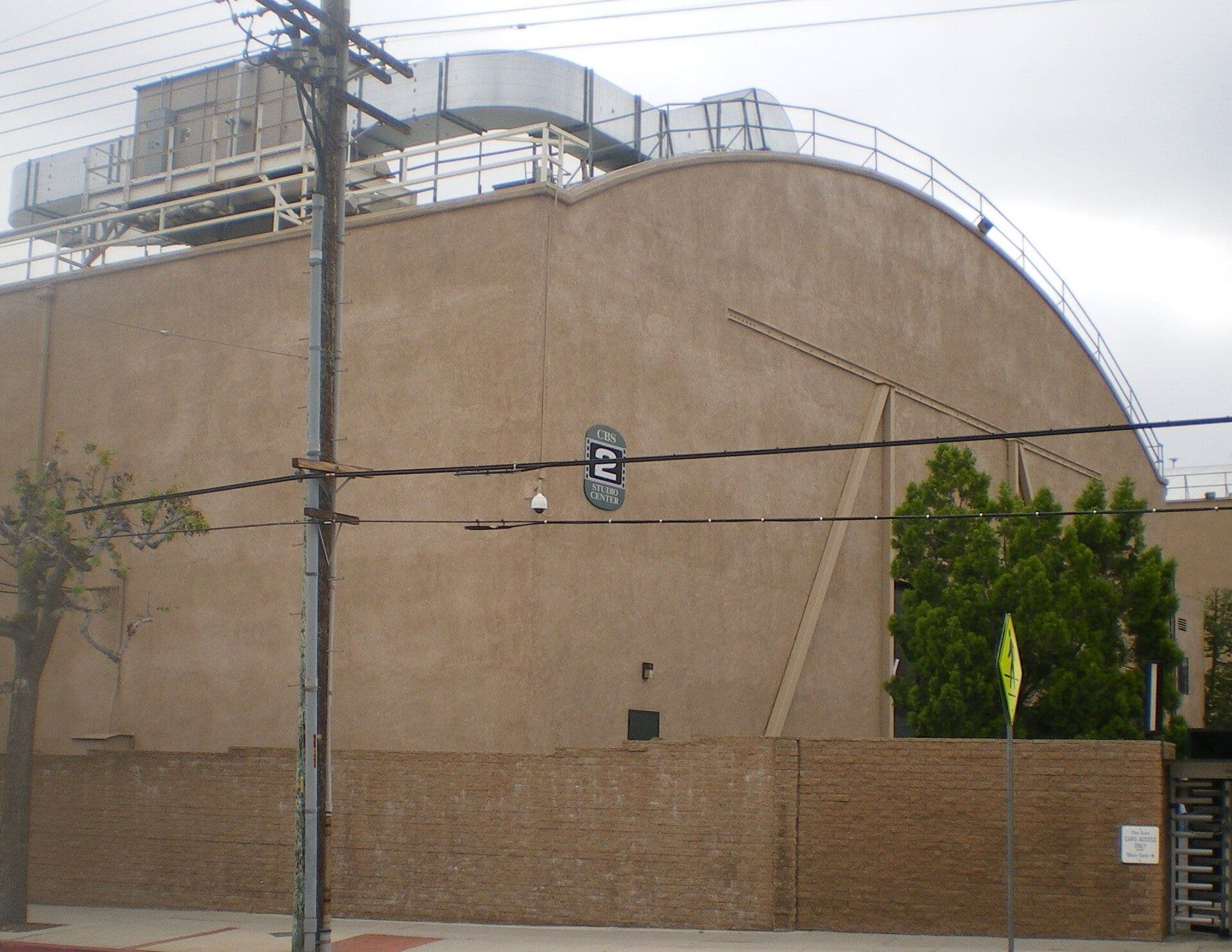
Netflix is under contract to acquire the Radford Studio Center in Studio City for $330 million to $400 million, according to deal reporting that began in April 2026 and was confirmed under contract in June 2026. The purchase marks the streaming platform's first owned major production campus in Los Angeles, reversing years of leasing soundstages from legacy studios and independent operators. The shift from renting to owning signals how streaming production, once treated as episodic work that could rent space on demand, now requires owned infrastructure to operate at the scale Netflix has reached.
The acquisition came as Radford changed hands dramatically in just five years. In November 2021, Hackman Capital Partners and Square Mile Capital Management bought the 55-acre lot from ViacomCBS for $1.85 billion. But Hackman defaulted on its $1.1 billion mortgage in January 2026, and Goldman Sachs seized the property. When Goldman marketed the lot for sale, most competing offers fell below $300 million. Netflix's bid at $330 million to $400 million represented a premium relative to other offers, reflecting the company's strategic priority in securing its own production infrastructure in Los Angeles.
A century of studio ownership at Radford
Radford Studio Center opened in May 1928 under Mack Sennett, the silent film producer who built the facility. Sennett, who had created the Keystone Cops films and worked with early Hollywood stars including Charlie Chaplin and Buster Keaton, opened the lot at what is now Ventura Boulevard and Radford Avenue in the San Fernando Valley. The studio's opening led to the surrounding area being named Studio City.
Sennett's venture lasted only five years. Following his bankruptcy in 1933, the lot passed to Mascot Pictures, which merged with other companies to form Republic Pictures Corporation in 1935. Republic leased studio space to television producers, including Revue Productions and Four Star Productions, beginning in the 1950s. CBS Television leased the facility starting in 1963, renaming it CBS Studio Center while under lease, and purchased it outright in February 1967 for $9.5 million. Shows like "The Mary Tyler Moore Show," which began filming there in 1970, became synonymous with the lot.
CBS held the lot with various partners through the 1980s before regaining sole ownership in 1992. For decades it remained one of the few full-service studio campuses within Los Angeles city limits, hosting iconic productions including "Gunsmoke," "Gilligan's Island," "Seinfeld," "Brooklyn Nine-Nine," and "Parks and Recreation." The lot consists of soundstages ranging from 7,000 to 25,000 square feet, 220,000 square feet of office space, three separate backlots, and facilities including dressing rooms and production buildings.
From ViacomCBS to foreclosure
ViacomCBS sold Radford Studio Center in November 2021 to Hackman Capital Partners and Square Mile Capital Management for $1.85 billion. That price represented the peak of a streaming boom and studio consolidation frenzy. Hackman's purchase came with ambitious plans—sources mentioned a projected $1 billion renovation of the facility—but the company carried significant debt on the property, including the $1.1 billion mortgage.
Content spending did not follow the trajectory many expected. While Netflix committed $18 billion to content in 2025 and planned to increase to $20 billion in 2026, broader production activity in Los Angeles weakened. Television production for the first three months of 2026 in Los Angeles was down nearly 30 percent compared to the same period a year earlier. Soundstage occupancy across Los Angeles sat at 62 percent in the first half of 2025, below the levels that would justify aggressive expansion spending.
Hackman Capital defaulted on its mortgage in January 2026. Goldman Sachs, the lead lender, took control of the 55-acre property and began marketing it for sale. When Goldman initiated bidding, the market reacted differently than Hackman had anticipated. Most offers came in below $300 million—a dramatic discount from the $1.85 billion 2021 price and a loss that reflected both the reversal in production spending and the broader distress in entertainment real estate.
Netflix's shift from renting to owning
Netflix's current operational hub in Los Angeles is at Sunset Bronson Studios in Hollywood, where it pays a base annual rent of $27 million to Hudson Pacific Properties under a lease that expires in 2031. The company also has long-term arrangements at Raleigh Studios that run into the early 2030s. These rental agreements provided flexibility when Netflix's production output was smaller and less predictable. But Netflix now produces hundreds of hours annually across series, films, and specials, requiring constant access to multiple soundstages.
Rental costs have escalated sharply. Sources describe soundstage rental rates as "dramatically more expensive in the last five years," with the streaming wars making stage availability tight.
Owning Radford eliminates lease uncertainty and protects Netflix against price escalation. It also guarantees access when multiple streamers and studios compete for limited soundstage inventory. A studio renting soundstages must optimize usage to justify rental costs. An owner can operate stages at lower capacity if scheduling flexibility or creative needs require it, and can invest in modernization without negotiating with a landlord or sharing costs.
What the facility offers
Radford's scale matters for large-scale production. The facility comprises 18 to 22 soundstages depending on the count, three separate backlot sets, 18 office buildings, and 20 bungalows on its 55-acre campus. A procedural or multi-camera comedy requires dedicated soundstages for standing sets. With multiple simultaneous productions, Netflix can run several shows concurrently without competing for space against other studios and streamers.
The three backlots provide assets difficult to find elsewhere in central Los Angeles. One backlot was built with a New York City street for "Seinfeld" production; another features landscaping and pond capability for a Central Park-style setting; a third serves as a residential street. These permanent sets reduce the need for location shooting or external set construction, lowering production costs and increasing scheduling flexibility. For Netflix, it means avoiding the logistics of shuttling between rented locations across Los Angeles.
“Stage rental costs have risen dramatically in the last five years, making ownership a hedge against price escalation and production schedule uncertainty.”
Market conditions and the discount
Netflix's acquisition price of $330 million to $400 million represents a 78% to 82% discount from Hackman Capital's 2021 purchase price. The gap reflects multiple forces: the reversal in streaming production spending after the streaming boom, competition from other states' tax incentives, and distress sales in entertainment real estate.
California significantly increased its film and television tax credit in July 2025, doubling available funds to $750 million from $330 million. But tax credits alone could not reverse the broader pullback in production. FilmLA was tracking seven new soundstage projects and renovations in Los Angeles, suggesting that new capacity was being added even as occupancy remained soft.
For Netflix, the timing gave the company unusual leverage. Goldman Sachs needed to move the asset; Netflix could offer certainty and speed. It also signaled Netflix's strategic conviction that Los Angeles remains essential for large-scale production, even as production disperses to other states and countries.
Ownership risk and long-term strategy
Owning Radford comes with risks that renting did not. As owner, Netflix absorbs capital costs for maintenance, property taxes, and facility upgrades. If streaming production spending contracts sharply, Netflix owns a $330 million to $400 million asset that generates revenue only when the soundstages are booked. A renter can walk away from unfavorable lease terms; an owner must maintain the facility and manage ongoing operations, regardless of production volume.
The Radford purchase complements Netflix's broader real estate strategy. Netflix operates production facilities in Albuquerque, New Mexico, and is developing production capacity in New Jersey for East Coast-based content. These owned or controlled facilities reduce dependence on legacy studios for soundstage access and give Netflix negotiating power with production partners. It also allows Netflix to potentially capture future value in the real estate itself if Los Angeles production demand recovers. The investment signals confidence that Los Angeles production, though volatile, will remain a core part of the streaming industry's operations.
Related coverage: How production tax credits shape where studios choose to shoot; How a studio slowdown is closing legendary costume rental houses.
More from Hollywood
studio deals
Why gross points beat net profit in Hollywood talent deals
Studio accounting keeps net profits rare. Top talent negotiate for gross participation instead, while middle-tier talent settle for points that rarely pay out.
labor
Choreographers join SAG-AFTRA for the first time under new Schedule J rule
Choreographers joined SAG-AFTRA under a new Schedule J provision in 2026, gaining union benefits and formal working conditions after decades outside the labor structure.