
Hollywood Walk of Fame
How the Hollywood Chamber of Commerce picks who gets a Walk of Fame star
The Chamber vets nominees for achievement and longevity, but a review committee and Los Angeles City Hall still decide who actually gets a star.
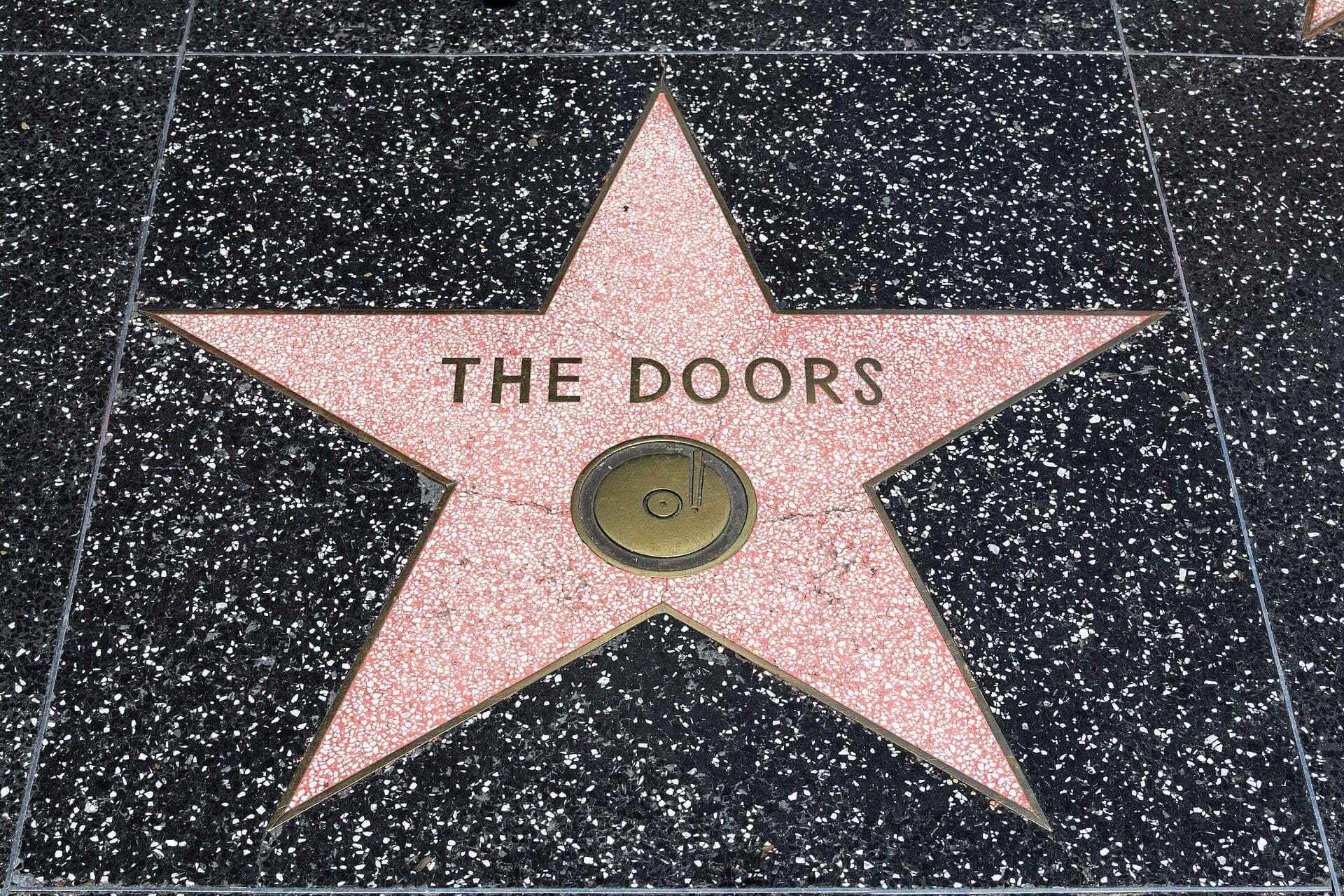
A star on the Hollywood Walk of Fame looks like a formality once a celebrity's name is set in the terrazzo. Getting there is not. Every nomination has to clear a written application, an independent review committee made up of past honorees, and final approval from the City of Los Angeles before a star can be installed on a public sidewalk.
The criteria are public and have stayed roughly the same for years: achievement, longevity and community contributions. What moves is the price of applying, the size of each year's class, and how long some nominees wait before the committee says yes.
What the Chamber Requires
According to the Hollywood Chamber of Commerce's own nomination materials, an application must include a photo and biography of the nominee, documentation of their professional qualifications and community contributions, and a signed letter of agreement from the nominee or their management confirming they will accept the honor and attend an unveiling ceremony if selected. A sponsor also has to commit to covering the costs if the nomination is approved.
Wikipedia's entry on the Walk of Fame describes the formal criteria as professional achievement, including awards and other honors; charitable contributions; and longevity, with a minimum of five years working in the category the person is being honored for. The Walk recognizes six categories: motion pictures, television, recording, radio, live theater and live performance, and sports entertainment.
Self-nominations aren't accepted. Anyone else can submit a name, though. "Anyone can nominate their favorite celebrity, including fans," the Chamber's guidance for its 2025 class stated, as long as the nominee signs off in writing.
Where It Started
The Walk of Fame wasn't built for its own sake. Wikipedia's history of the landmark traces its origin to Hollywood's economic decline in the late 1940s and early 1950s, driven in part by suburbanization and the Paramount Decree that forced studios to divest their theater chains. The Chamber conceived a sidewalk of stars as a way to honor entertainment figures, draw tourists and improve Hollywood's streets.
Credit for the idea is disputed. Some accounts point to Harry Sugarman, a Chamber member who led the Hollywood Improvement Association; the Chamber itself credits E. M. Stuart, its 1953 volunteer president, with the concept and Sugarman with carrying it out. Between May 1956 and the fall of 1957, committees representing the four entertainment branches then recognized, motion pictures, television, recording and radio, selected 1,558 honorees, with figures including Cecil B. DeMille, Walt Disney and Samuel Goldwyn serving on those early panels.
Construction broke ground on February 8, 1960. Stanley Kramer received the first permanent star on March 28, 1960, and the Walk was formally dedicated that November. The City of Los Angeles designated it Historic-Cultural Monument No. 194 on July 5, 1978.
From Hundreds of Names to a Handful
Applications open each spring and close by early summer, with strict deadlines. For the 2025 class, the Chamber's window ran from April 15, 2024, to May 31 at noon Pacific, and its materials warned there were "no exceptions" on the cutoff.
Nominations then go to what Hollywood Chamber President and CEO Steve Nissen described to CBS News as "an independent committee which consists of former Walk of Famers in all six categories." That committee meets annually in June to review the field and choose that year's honorees.
The size of each class varies. The Chamber's own materials put the 2025 class at roughly 24 names. For 2026, CBS News reported 35 honorees, including Miley Cyrus in the recording category and Shaquille O'Neal as the year's sole sports entertainment honoree. Wikipedia's entry describes the Chamber fielding 200 to 300 nominations annually and selecting around 30 of them, a range that roughly brackets both of those figures even as the exact count shifts from year to year.
Two More Signatures Before It's Official
The committee's picks aren't the final word. Per Wikipedia's account of the process, the list then goes to the City of Los Angeles, including the City Council and the Board of Public Works, for final sign-off before installation.
That relationship dates to 1962, when the Los Angeles City Council formally designated the Chamber as its advisor on new stars, according to Wikipedia, a role the Chamber has held ever since while the city retains final sign-off.
“Miss that window and the nomination lapses, requiring a fresh application.”
What a Star Costs, and Who Pays
The fee attached to a star is not new; it dates to the early 1980s. Johnny Grant, an entertainer who received his own television star in 1980 and went on to chair the Walk of Fame Committee, instituted a $2,500 charge per star, which Wikipedia notes is roughly equivalent to $9,769 in 2025 dollars, and turned unveilings into the kind of media events they remain today. Grant, later also named Honorary Mayor of Hollywood, hosted more than 500 unveiling ceremonies before his death in January 2008.
The fee has climbed steadily since. For the 2025 class, the Chamber's application fee was $250, and the sponsorship cost of the star itself, covering fabrication and installation, was listed at $75,000, payable to the Hollywood Historic Trust, with the Chamber noting the figure was subject to change.
It changed again. By 2026, according to Wikipedia, the nomination submission fee had risen to $275 and the sponsorship fee to $85,000. That fee covers the star's creation and installation, a replica plaque for the honoree, the unveiling ceremony itself, and ongoing maintenance of the Walk. The sponsor who submitted the nomination, not the Chamber, is responsible for the installation cost.
Why Some Names Take Years
Selection isn't the end of the process. Once a nominee is chosen, the Chamber gives them two years to schedule an unveiling ceremony. Miss that window and the nomination lapses, requiring a fresh application.
Mandatory attendance itself goes back further than that deadline. Johnny Grant made showing up for the ceremony a requirement during his years running the committee. The rule got a very public test in 1989, when Bruce Springsteen was selected for a star but never appeared to claim it, an incident that reporting has since attached to the attendance requirement, sometimes calling it the Springsteen policy.
Some names simply take multiple nomination cycles to clear the committee. Julia Roberts had declined an earlier star before the Chamber nominated her again in 2019. Prince was nominated and declined twice during his lifetime; Walk of Fame producer Ana Martinez told reporters at the time that "he just wasn't ready."
Posthumous nominations carry a separate waiting period. The Chamber requires at least two years after a person's death, plus approval from their family or estate, before a star can be considered. Carrie Fisher, who died in 2016, received her posthumous star seven years later.
More from Society

production incentives
How the Motion Picture Association's Study Rallied Hollywood Behind a Federal Tax Credit
The Motion Picture Association's economic study has rallied studios and unions behind a coordinated push for a 20% federal film tax credit in Congress.

film festivals
What role film festivals play as both cultural institutions and industry marketplaces
How major film festivals like TIFF, Tribeca and SXSW function simultaneously as premiere platforms for artists and organized marketplaces where filmmakers secure financing and distribution deals.