
the room
How Industry Parties Actually Function
They look like leisure and operate as infrastructure. The guest list is the product, and somebody spent months building it.
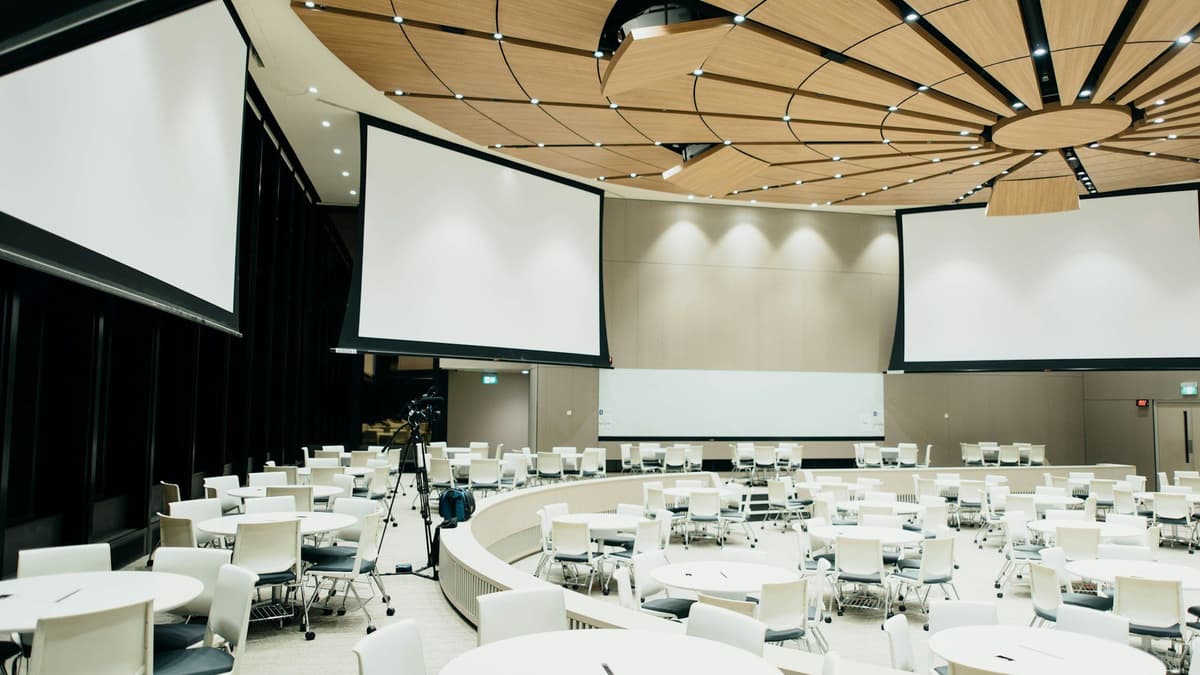
The industry party is treated in coverage as spectacle — who attended, what they wore, who was photographed with whom. Within the business it is understood as infrastructure, and the elements that make it work are almost entirely invisible in the photographs.
The guest list is the entire product
Everything else is logistics. The list determines whether an event is worth attending, and constructing one is a months-long exercise in judgement about who should be in a room together.
The considerations are specific. Which relationships would benefit from an unplanned encounter? Which people should not be seated near each other? What ratio of established to emerging keeps the room from feeling either stale or unserious? Who confers legitimacy by attending, and who dilutes it?
A well-built list produces conversations that would not otherwise have happened. That is the deliverable, and it is why hosts guard lists closely and why the request to bring a guest is more fraught than it appears.
Rooms are designed to move people
Physical layout does substantial work. A room with a single large seating area produces one conversation and a periphery of people waiting. Several smaller zones produce parallel conversations and allow people to move between them without awkwardness.
Standing events circulate better than seated ones, which is why the most useful gatherings are often the least comfortable. Seated dinners are for consolidating existing relationships; standing receptions are for forming new ones.
Bar placement, oddly, matters more than almost anything. It creates a legitimate reason to cross a room and a natural place to begin talking to someone, which solves the central problem of any professional gathering.
Timing carries meaning
The calendar is dense during particular periods, and where an event sits within that density is a statement.
An event scheduled opposite a major competing occasion is asserting confidence. One placed in a quiet window is seeking attention it could not command otherwise. Events immediately before a significant announcement or screening are frequently doing preparatory work.
Duration signals too. A two-hour reception is a working event. An open-ended one is a social occasion, and the difference tells attendees which mode to arrive in.
Access as currency
The scarcity is deliberate. An event anyone can attend has no value as a signal, so the constraint is the point rather than a limitation.
This produces a visible hierarchy of gatherings — official events with broad lists, smaller dinners with narrow ones, and private gatherings that are never reported at all. The last category is where a great deal of consequential conversation happens, precisely because nothing is observed.
Publicists manage placement within this hierarchy as a core part of their work, and a client's movement between tiers over a few years is a reasonably accurate index of standing.
What has changed
Photography has changed the behaviour in the room. When any attendee may publish an image immediately, people conduct themselves differently, and the frank conversation that events existed to enable has migrated further into private settings.
Some hosts have responded with device restrictions, which are enforced with varying seriousness and are themselves a signal about what kind of event it is.
The other shift is dispersal. The industry is less geographically concentrated than it was, and remote working has weakened the assumption that everyone is in the same city in the same month. This has made deliberately convened gatherings more valuable, not less — the incidental encounters that once happened anyway now have to be organised.
Why they persist
It would be reasonable to expect video calls to have replaced much of this, and they have replaced the scheduled part. What they cannot replace is the unplanned encounter — the conversation with someone you did not intend to talk to, which is where most unexpected collaborations begin.
That is the actual function, and it is why an industry perfectly capable of meeting remotely continues to spend heavily on getting people into rooms.
More in Society
Directors Guild
How the Directors Guild Ratified Its Four-Year Studio Contract
The Directors Guild's members approved a four-year deal with major studios in late June 2026, after the guild's national board unanimously recommended it on June 12.
Selena Gomez
Selena Gomez's Rare Impact Fund Benefit Raises Nearly $3 Million for Youth Mental Health
Selena Gomez hosted the fourth annual Rare Impact Fund Benefit in Los Angeles on 14 October 2026. Billboard reports it raised nearly $3 million for youth mental health.
- Taylor Swift to close Academy Museum's sixth annual gala on October 17
- Arts Nonprofits Grew Half as Fast as Education in a Record $617.2 Billion Giving Year
- What apprenticeships and fellowships offer new entrants to Hollywood
- Bradley Whitford receives his Walk of Fame star as an honor shaped by Hollywood's formal institutions