
Hollywood Chamber of Commerce
Bradley Whitford receives his Walk of Fame star as an honor shaped by Hollywood's formal institutions
How the Walk of Fame nomination and selection process works and why it remains central to Hollywood's civic institutions.
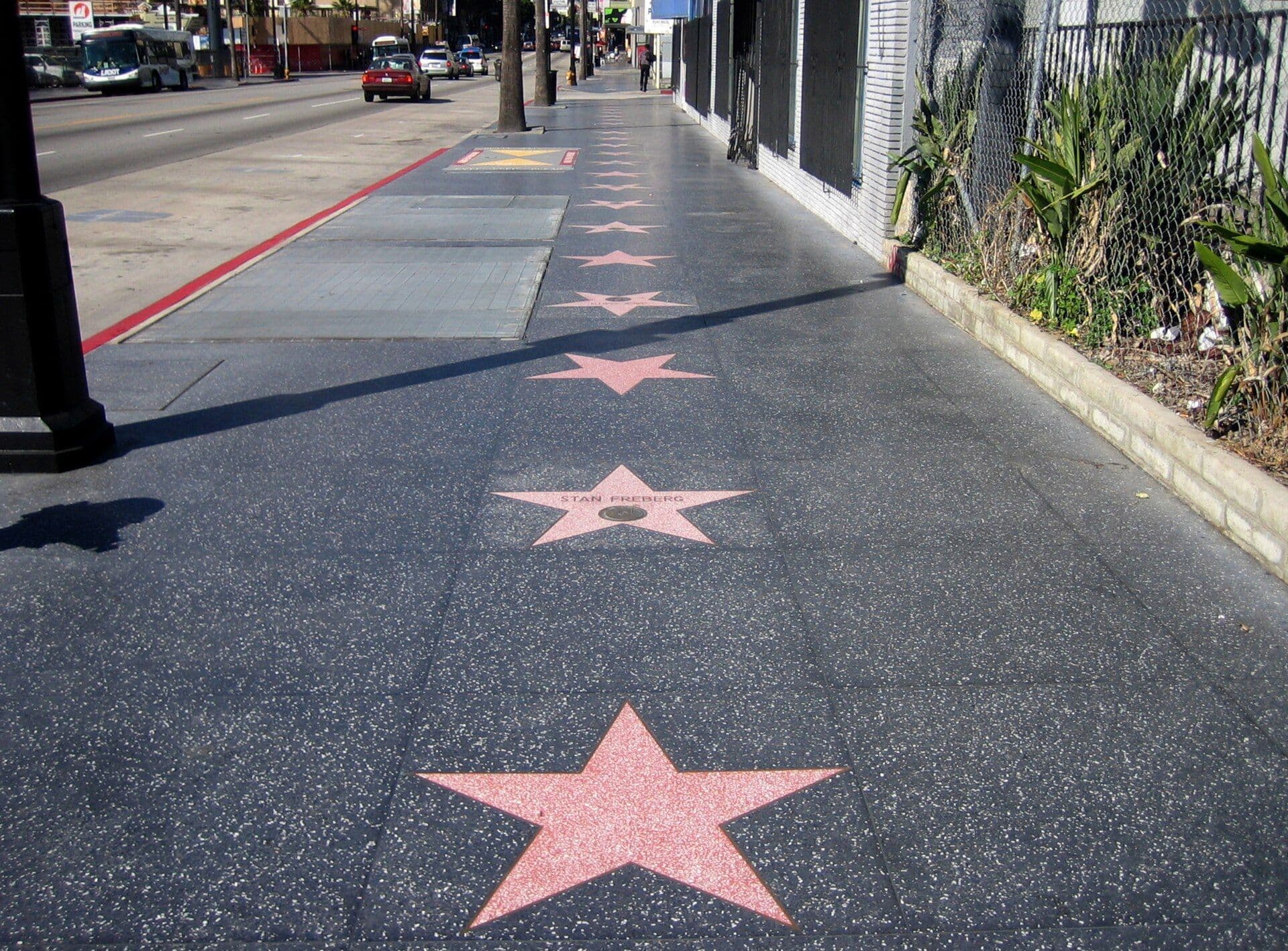
Bradley Whitford received the Hollywood Walk of Fame's 2,858th star on September 30, 2026, in a ceremony at 6104 Hollywood Boulevard near Gower Street. The television star of *The West Wing* and *The Diplomat* received his honor in the television category, with guest speakers including former co-stars Martin Sheen and Dulé Hill. The Hollywood Chamber of Commerce, which administers the Walk of Fame on behalf of Los Angeles, hosted the dedication. Notably, Whitford's star is positioned directly beside that of Allison Janney, his co-star from the NBC series that ended in 2006 and his current scene partner on Netflix's *The Diplomat*.
The Walk of Fame remains one of Hollywood's oldest civic institutions, embedded in the sidewalks of Hollywood Boulevard and Vine Street since 1960. Managed through a deliberate, multi-stage selection process, it reflects how the entertainment industry formally recognizes achievement and builds its own cultural record. Whitford's honor came as he appeared as a guest actor on *The Diplomat*, for which he received an Emmy nomination in July 2026, and as he prepared to return to Broadway in a revival of *A Few Good Men*.
The Walk of Fame's Origins and Growth
The Hollywood Walk of Fame was established on February 8, 1960, with the first permanent star—honoring producer Stanley Kramer—placed on March 28, 1960. The concept originated in 1953 as an effort to revitalize Hollywood during a period of economic decline. Unlike many entertainment honors, the Walk of Fame is embedded directly in the public sidewalk, making it a permanent fixture of the streetscape rather than a trophy held privately or displayed in a venue.
Since its creation, the Walk had grown to contain 2,857 stars before Whitford's star was added, expanding to six categories: Motion Pictures (44 percent of all stars), Television (25 percent), Recording (19 percent), Radio (9 percent), Live Theater/Performance (less than 3 percent), and Sports Entertainment and Awards of Excellence combined (less than 1 percent). The Hollywood Chamber of Commerce receives between 200 and 300 nominations annually for the honor. Approximately 30 nominees are selected each year by June, meaning the institution has become highly competitive despite its relatively small annual class size.
How the Selection Process Works
The Hollywood Chamber of Commerce opens nominations each spring for the following year's class, accepting submissions from anyone—including fans or industry professionals—other than the nominee, provided the nominee approves. As of 2026, nominations require a $275 submission fee.
In June, the Walk of Fame Selection Committee meets to evaluate all nominees. The committee considers professional achievement, a minimum of five years working in the chosen category, charitable contributions, and the nominee's longevity in the industry. Posthumous nominations are also accepted but require a two-year waiting period after the person's death.
These selections then require sign-off from the Los Angeles City Council and the Board of Public Works, placing the Walk of Fame within the city's official civic processes. This multi-stage vetting distinguishes the Walk of Fame from fan-voted awards or commercial honors decided by a single organization.
Why the Ceremony Matters to the Industry
The Walk of Fame ceremony serves multiple functions in Hollywood's institutional life. For individual honorees, it marks a formal recognition by peers and the entertainment community—a milestone distinct from commercial success or critical acclaim. The ceremony itself is public, free to attend, and streamed online at walkoffame.com and through the Hollywood Walk of Fame's YouTube channel, making it visible to fans and the industry alike. It creates a documented moment of collective acknowledgment through an institution that predates most contemporary awards.
For the institution itself, the Walk of Fame functions as a permanent, physical record of achievement in entertainment. Each star represents a formal institutional decision about who deserves to be remembered as a significant figure in film, television, radio, music, live performance, or sports entertainment. The deliberate selection process—requiring nominations, vetting, committee review, and municipal approval—distinguishes it from fan-voted awards or industry prizes that may fluctuate based on current visibility or commercial factors.
The placement of stars also carries symbolic weight within the entertainment community. That Whitford's star sits next to Janney's, his co-star from a series that ended over two decades ago and with whom he currently works, creates a physical marker of professional relationships and shared achievement. These adjacencies, built up over decades of installations, create an informal map of Hollywood's creative genealogies and enduring collaborations.
“Each star represents a formal institutional decision about who deserves to be remembered as a significant figure in film, television, radio, music, live performance, or sports entertainment.”
Whitford's Achievement and Career Trajectory
Whitford is best known for playing Deputy Chief of Staff Josh Lyman on *The West Wing*, the NBC series that ran from 1999 to 2006. His performance earned him an Emmy nomination and a win, the first of three nominations over his career. He earned a second Emmy nomination in 2016 for a guest role on Amazon's *Transparent* and a third in 2019 for a guest role on Hulu's *The Handmaid's Tale*.
Most recently, Whitford appeared as a guest actor on Netflix's *The Diplomat*, appearing opposite Janney, who plays President Grace Hagen Penn. In July 2026, he received a guest actor Emmy nomination for that work. He was promoted to series regular for the show's fourth season. He also committed to returning to Broadway in the fall of 2026 in a revival of *A Few Good Men*, expanding his work beyond the television medium.
The Ceremony as a Public and Professional Event
Whitford's dedication drew appearances from multiple *West Wing* castmates, including Josh Malina, Mary McCormack, Ron Ostrow, and Richard Schiff, as well as his wife Amy Landecker. The timing of the September 30 ceremony came roughly two weeks before the fourth season release of Netflix's *The Diplomat*, linking the honor to current creative work as well as historical achievement from decades past.
In his remarks during the ceremony, Whitford thanked his family, saying they made him feel loved long before luck or fame entered the picture and that their presence stays with him every day. The ceremony was available to view on walkoffame.com and subsequently on YouTube, allowing fans and industry professionals beyond those present on Hollywood Boulevard to witness the moment.
The Hollywood Chamber of Commerce has administered the Walk of Fame since its creation in 1960, keeping it as a free public attraction and handling the administrative apparatus that supports the annual selection cycle. This role—part custodian, part institutional gatekeeper—keeps the Walk of Fame embedded within Hollywood's formal civic structures rather than allowing it to become purely commercial or fan-driven. For industry professionals, the Walk of Fame represents a specific kind of institutional validation: one controlled by the entertainment community itself through peer selection and municipal oversight.
More from Society
philanthropy
What It Takes to Qualify for Emergency Aid From the Entertainment Community Fund
How the Entertainment Community Fund evaluates emergency grants for entertainment professionals: earnings requirements, documentation, and what assistance covers.
retirement
Who Qualifies to Live at Hollywood's Wasserman Retirement Campus
The industry's flagship retirement community uses strict eligibility rules around age, years of service, and industry affiliation to determine who can join its 186-unit Woodland Hills campus.