
philanthropy
Clio's Legacy Foundation Splits Celebrity Auction Sales 70-30 With Nonprofits
A new platform lets celebrities auction memorabilia and exclusive experiences continuously instead of at seasonal galas, promising more predictable funding for nonprofits.
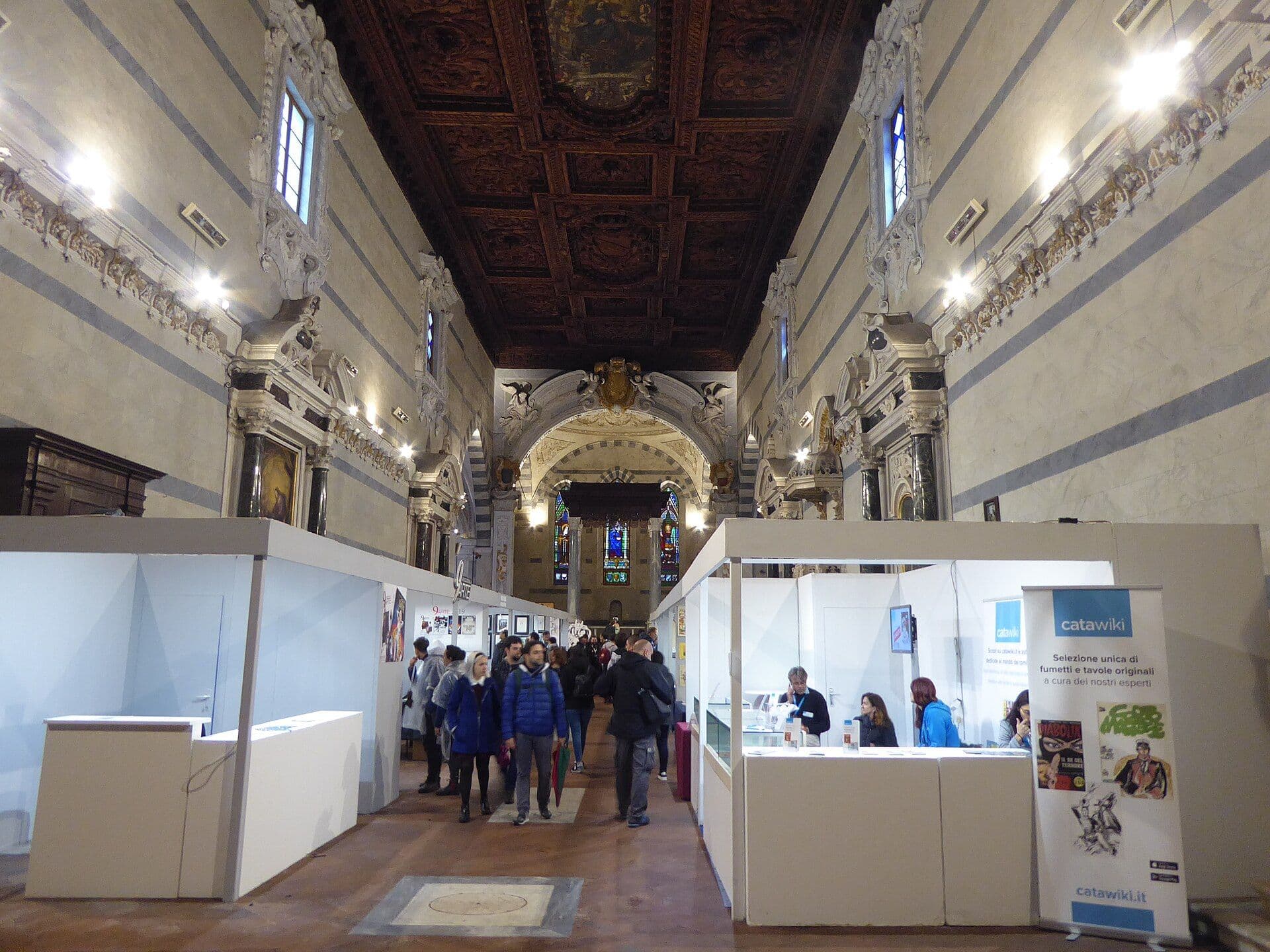
Clio's Legacy Foundation, announced on September 22, 2026, has introduced a new infrastructure for celebrity philanthropy that could reshape how Hollywood's institutions and nonprofits receive financial support. Rather than depending on seasonal galas and televised fundraisers—the traditional model that concentrates celebrity giving into specific high-stakes nights—the platform enables celebrities to continuously donate signed memorabilia, exclusive experiences, and personal items to be auctioned throughout the year. Seventy percent of every sale goes directly to the charity of the celebrity's choice, while thirty percent supports the platform. The model emerges as nonprofit leaders seek diversified revenue streams beyond government funding.
How the Platform Works
Clio's Legacy connects three parties: celebrities donate items and experiences, fans and collectors bid through an online marketplace, and nonprofits receive the proceeds. Stars contribute signed collectibles—tennis rackets from professional athletes, concert memorabilia from musicians, autographed photographs—alongside less tangible offerings: private masterclasses, backstage access, one-on-one consultations, or personal keepsakes. The range allows celebrities with different assets and schedules to participate. A retired athlete can donate memorabilia instantly; a working actor can schedule an exclusive dinner or coaching session at their convenience.
Auction participants establish online accounts, browse upcoming items with countdown timers, place bids before sales close, and must complete payment within 24 hours. Items ship within 7 to 10 business days. The transaction is straightforward, designed to eliminate friction and make impulse bidding feasible. Unlike silent auctions at formal galas, where items are abstract and bids go to numbered paddles, Clio's Legacy auctions create a direct connection between the bidder, the item, and the nonprofit receiving funds.
The foundation's founder, Katalin Prauda, framed the ambition directly: "We're building what I believe can become the Amazon of celebrity philanthropy—a trusted marketplace where stars can effortlessly give back." The model requires minimal additional time from celebrities compared to attending galas or participating in traditional fundraising events. A signed sports item takes seconds to photograph and list; an exclusive dinner experience can be scheduled whenever a celebrity's calendar permits. This stands in contrast to gala participation, which demands attendance, preparation, and often public remarks or red-carpet appearances.
Why Galas Are Becoming Inflexible
Celebrity philanthropy has long centered on high-profile, one-time events. Annual galas—countless industry charity dinners held throughout the year—concentrate fundraising into specific nights. These events raise substantial sums but demand significant logistical effort, celebrity availability, and create winner-take-most dynamics where the most glamorous or well-connected organizations capture disproportionate attention and funding. A nonprofit's annual revenue can hinge on a single night's success, a single prominent donor's attendance, or whether a particular celebrity commits.
Year-round auctions smooth that volatility. A nonprofit's funding no longer depends on a single event's success or how prominently celebrities show up. The model also addresses a structural problem: celebrities willing to donate memorabilia or their time may lack the schedule flexibility to attend galas, may prefer a direct relationship with a cause over ceremonial appearances, or may not fit the demographics of traditional gala attendees. A tech entrepreneur, for instance, might contribute an exclusive tech mentorship but never attend a black-tie dinner.
More broadly, nonprofit fundraising is undergoing systematic change. According to 2026 trends analysis, organizations are shifting away from dependence on government funding toward diversified individual giving, with major gifts and planned giving playing increasingly central roles. A strong stock market, generational wealth transfer, and favorable tax laws create favorable conditions for this shift, but only for nonprofits that can reach donors outside traditional channels. Clio's Legacy Foundation addresses this directly: it lowers the barrier for nonprofits to access celebrity giving without hosting a gala.
The Broader Shift in Nonprofit Revenue
Nonprofit leaders are adapting their strategies to this new environment. According to fundraising professionals tracking 2026 trends, major gifts are increasingly driving nonprofit revenue, and organizations are investing heavily in relationship-centered fundraising. Many are also integrating artificial intelligence into their operations—not as a replacement for human staff but as core infrastructure for nonprofits working with constrained teams. The common thread across all successful adaptations is making it easier for donors to participate and stay connected.
Traditional galas are not disappearing, but they are evolving. Recent analysis of gala trends shows organizations now treat these events as part of longer year-end giving campaigns rather than standalone fundraising moments. They emphasize recurring giving, multiple payment options including digital wallets and stock gifts, and storytelling paired with data rather than metrics alone. Micro-moments of community belonging matter more than grand production values. Clio's Legacy Foundation fits into this broader adaptation: it acknowledges that not all donors and celebrities want to attend formal events, and that year-round engagement beats seasonal concentration.
What Celebrity Involvement Actually Accomplishes
The stakes of celebrity involvement extend beyond donations themselves. Entertainment industry figures historically move faster than legacy institutions in responding to crises, emerging causes, and public demand.
When celebrities publicly attach their names and reputations to causes, supporters follow—not necessarily in equal amounts, but in sufficient numbers that nonprofits see measurable increases in overall giving. An auction model satisfies this preference naturally. A bidder acquires something unique from someone they admire, the transaction is transparent, and the nonprofit's benefit is quantifiable.
“The model requires minimal additional time from celebrities compared to attending galas or participating in traditional fundraising events.”
Charities in the Network
Clio's Legacy has launched with ten partner organizations spanning military support, youth development, animal rescue, anti-trafficking work, and disability services. The Tunnel to Towers Foundation provides mortgage-free homes to Gold Star and fallen first responder families and builds specially adapted homes for catastrophically injured veterans and first responders. The USTA Foundation uses tennis as a vehicle to reach youth in under-resourced communities. The Humane Society of Greater Miami provides food, shelter, and care for homeless animals. Canine Companions trains and places service dogs for people with disabilities. Ellie's Army Foundation provides financial assistance to children and young adults facing life-threatening illnesses. Hope For Paws rescues animals and provides veterinary care, while Flying Fur Animal Rescue specializes in dog rescue operations. Our Rescue combats sex trafficking through partnerships with law enforcement. DARE focuses on dachshund adoption, rescue, and education. The United States Australian Shepherd Foundation addresses breed welfare.
The diversity of causes and sectors reflects deliberate strategy. By spanning military, youth, animal welfare, victim advocacy, and disability services, the foundation appeals to celebrities across industries and personal causes. A professional tennis player can naturally connect to the USTA Foundation. An athlete with military connections can support Tunnel to Towers. Someone passionate about animal welfare has multiple options. This portfolio approach also diversifies the foundation's own risk: it does not depend on a single cause area or demographic of celebrities.
Scheduled Events and Path to Scale
Clio's Legacy anchors its year-round platform with two major annual events: "Stars, Paws & Fans," a fundraising reception and silent auction scheduled for November 14, and an annual red carpet gala in Miami each March. The November event emphasizes animal welfare and the human-animal bond, a thematic focus reflected in several partner charities. The March Miami gala positions itself as a star-studded, industry event in the tradition of large philanthropic galas, but with a different revenue model: proceeds flow directly to participating nonprofits, not to the event itself.
The model does not eliminate traditional galas—it supplements them. Celebrities can participate in both: they can attend the November event or Miami gala and also donate items to continuous auctions throughout the year. What Clio's Legacy does eliminate is the false choice between attending an event and supporting a nonprofit. A celebrity busy with filming can still contribute a signed item or schedule an exclusive experience for later. A fan who cannot afford a gala ticket can participate in online auctions. The two anchor events create rhythm and visibility; the continuous marketplace creates accessibility.
What Success Looks Like
Whether Clio's Legacy sustains as a platform depends on two factors: whether enough celebrities find participation consistently worthwhile to maintain reliable item and experience donations, and whether nonprofits can grow their fundraising beyond the founding partner network. The foundation is betting that ease matters more than glamour. A celebrity who spends a few minutes photographing and listing a signed item may participate monthly. A celebrity who must travel to and attend a gala may participate only annually. Scale favors the monthly contributor.
For Hollywood's civic institutions, the question is whether year-round, distributed giving will prove more stable than the concentrated model it shadows. Traditional galas raise substantial sums on specific nights but leave nonprofits vulnerable to donor scheduling conflicts, economic downturns that suppress attendance, or shifts in celebrity interest. Clio's Legacy Foundation proposes an alternative: smaller, continuous flows of funding from many celebrities and many fans, diversified across the year. It is a fundamentally different bet on how Hollywood's philanthropy should work.
More from Society
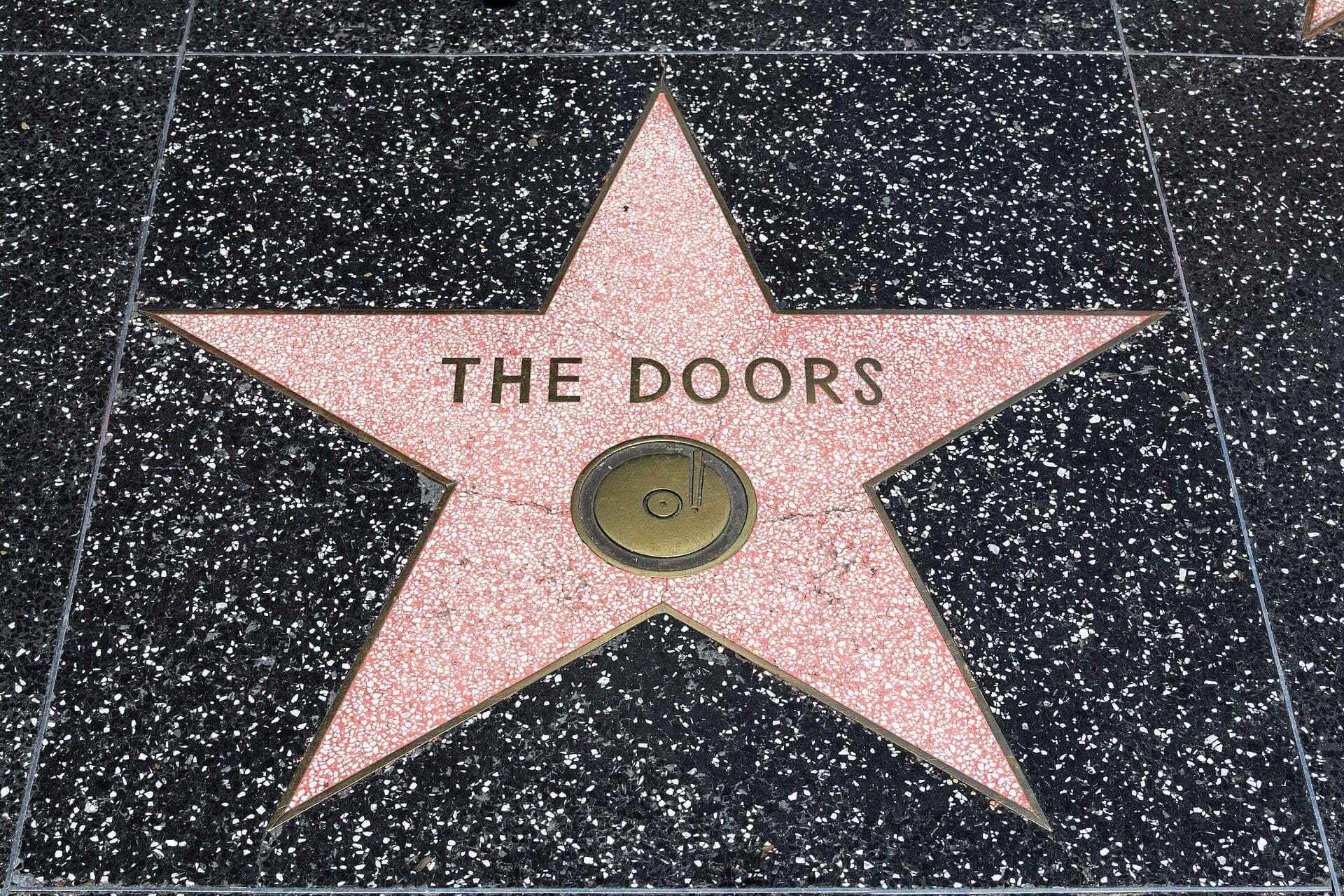
Hollywood Walk of Fame
How the Hollywood Chamber of Commerce picks who gets a Walk of Fame star
The Chamber vets nominees for achievement and longevity, but a review committee and Los Angeles City Hall still decide who actually gets a star.

production incentives
How the Motion Picture Association's Study Rallied Hollywood Behind a Federal Tax Credit
The Motion Picture Association's economic study has rallied studios and unions behind a coordinated push for a 20% federal film tax credit in Congress.