
retirement
Who Qualifies to Live at Hollywood's Wasserman Retirement Campus
The industry's flagship retirement community uses strict eligibility rules around age, years of service, and industry affiliation to determine who can join its 186-unit Woodland Hills campus.
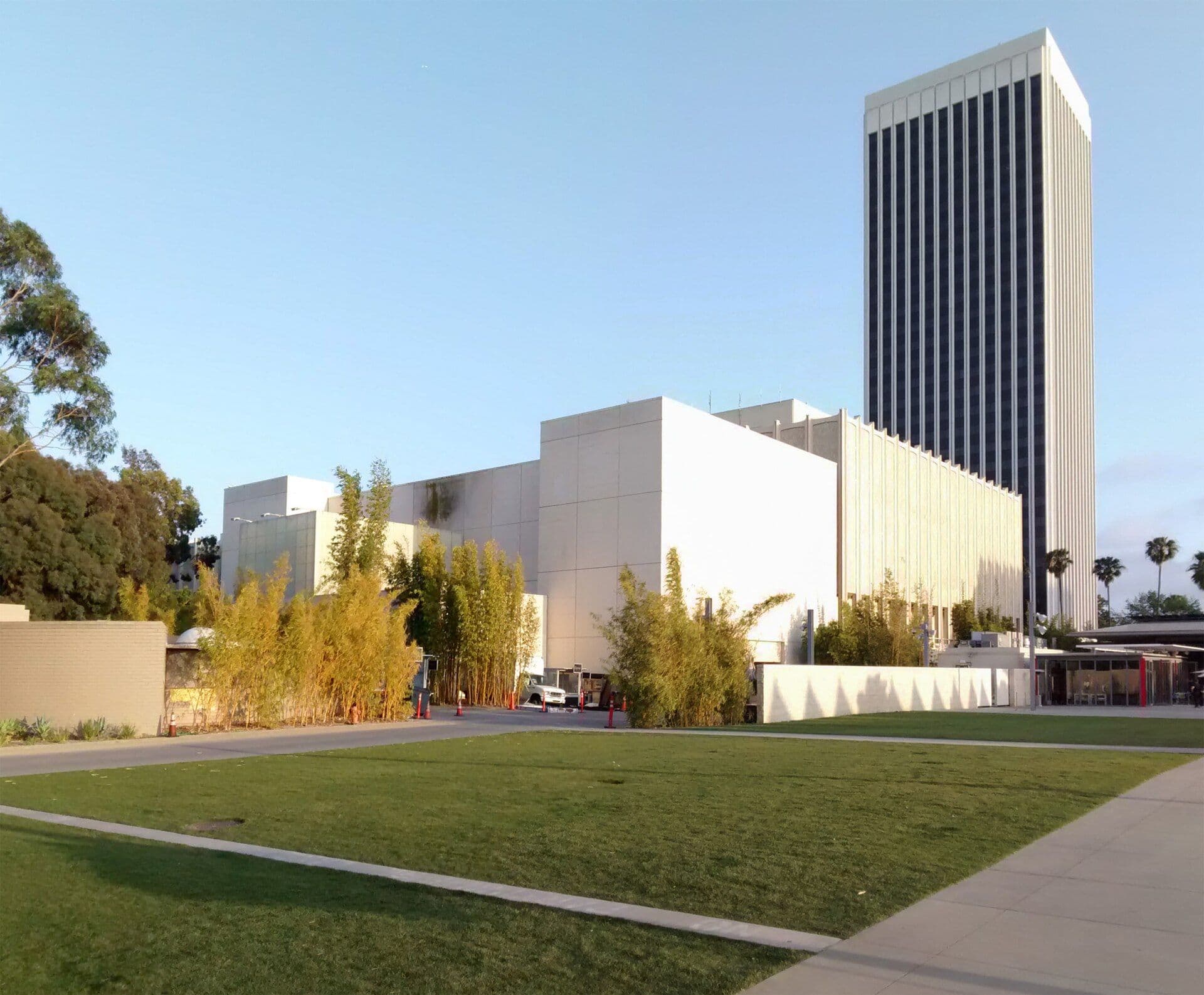
The Motion Picture & Television Fund's Wasserman Campus in Woodland Hills operates as Hollywood's longest-standing retirement institution for entertainment workers. The community—which as of 2014 comprised 186 units, including independent living cottages, assisted living apartments, skilled nursing facilities, and a memory care unit—accepts only applicants who meet specific criteria around age, career tenure, and industry affiliation. These boundaries exist to serve the organization's core mission: supporting entertainment professionals who built the industry but lack sufficient resources for retirement.
Eligibility for the Wasserman Campus is more restrictive than entry to other MPTF services like temporary financial assistance or health care. The organization prioritizes residential placement for those whose careers most directly supported motion picture and television production, excluding certain entertainment sectors and non-industry family members regardless of need.
The Age and Career Requirements
Applicants must be 70 years of age or older.
The second pillar is career tenure: applicants must have worked in the entertainment industry for 20 or more "qualifying years" during their career. The term "qualifying years" is not publicly defined beyond the 20-year threshold; the MPTF does not specify whether these years must be continuous or can be dispersed across separate positions or employers.
Together, these rules reflect the MPTF's founding principle in 1921—and reinforced when the Motion Picture Country House opened in 1942—that the organization exists to care for those whose working lives centered on creating entertainment. A screenwriter with five years of work and a costume designer with 15 years would both fall short, regardless of financial need.
How California Work Is Counted
The MPTF requires that applicants work "a percentage" of their qualifying years in California. This phrasing creates ambiguity: the organization does not specify whether 50 percent, 75 percent, or some other threshold of the 20 years must have been worked in-state.
An entertainment professional who worked 20 years—15 in Los Angeles and five years on a location shoot in New York, or 10 years at a studio in Los Angeles and 10 years at a production company in Georgia—may or may not satisfy the requirement, since the MPTF does not publish the exact calculation. Applicants are expected to clarify their individual work history during the intake process.
The MPTF social services line (323-634-3866) is the appropriate channel for interpreting how a specific career arc—particularly one involving multiple employers, relocations, or a mix of roles—counts toward the 20-year requirement.
Spouses, Domestic Partners, and Family Exclusions
A spouse or domestic partner of a qualifying industry member can apply to live at the Wasserman Campus, even if they have no entertainment industry background. However, the partnership must have lasted at least 10 years—whether through marriage or same-sex domestic partnership.
This rule protects long-term commitment: someone married or partnered to an industry member for only five years would not qualify through that relationship alone.
Non-industry family members beyond a spouse or partner face a strict boundary. Parents of industry members—no matter how much financial need they face—are not eligible for residential placement on the Wasserman Campus, though they may qualify for other MPTF services like palliative care.
Who the Industry Definitions Exclude
The MPTF draws a line between eligible and ineligible entertainment work. Production in motion pictures and television qualifies. Most behind-the-camera roles in these industries—from editors and gaffers to craft services workers and production assistants—count toward the 20-year requirement.
But certain entertainment sectors are ineligible for residential placement, though residents may still access MPTF health care services. Studio-owned recording divisions, radio broadcasting operations, and studio theme park divisions fall into this exclusion. A recording engineer who worked 20 years at a studio's music label would not qualify for Wasserman Campus residency, nor would a radio broadcast manager or a theme park creative director, even if their work occurred under a major studio's corporate umbrella.
The exclusions mean some entertainment workers, despite decades in the industry and financial hardship, remain ineligible.
“Parents of industry members—no matter how much financial need they face—are not eligible for residential placement on the Wasserman Campus.”
How the Waiting List Determines Priority
The Wasserman Campus has finite capacity: 186 total units as of 2014, across independent living, assisted living, skilled nursing, and memory care. If an applicant meets eligibility requirements but no suitable unit is available when they apply, they join a waiting list rather than face outright denial.
Priority on the waiting list is determined by two factors: the applicant's wait list date and the type of accommodation they require. Someone who applied to the waiting list in 2022 and needs independent living may receive an offer sooner than someone who applied in 2024 and needs memory care, depending on unit availability. The MPTF does not publish average wait times, which can fluctuate based on resident departures and new admissions.
The process is managed by a social worker assigned to each applicant. That worker communicates with the applicant throughout their wait, updating them on their position and helping them plan for eventual placement.
How the Application Process Works
Interested applicants should call the MPTF social services intake line at 323-634-3866. A social worker will conduct an initial assessment. This conversation determines eligibility and helps identify the appropriate housing type.
Once intake is complete, eligible applicants either move into available housing or join the waiting list. The MPTF's mission emphasizes "taking care of our own"—but "our own" is specifically defined: entertainment workers aged 70 and older with substantial careers in Hollywood's production ecosystem.
More from Society

philanthropy
Clio's Legacy Foundation Splits Celebrity Auction Sales 70-30 With Nonprofits
A new platform lets celebrities auction memorabilia and exclusive experiences continuously instead of at seasonal galas, promising more predictable funding for nonprofits.
Hollywood Walk of Fame
How the Hollywood Chamber of Commerce picks who gets a Walk of Fame star
The Chamber vets nominees for achievement and longevity, but a review committee and Los Angeles City Hall still decide who actually gets a star.