
Live Nation
Why the Live Nation Verdict Puts Ticketmaster's Future Before a Judge
A jury found Live Nation and Ticketmaster ran an illegal concert ticketing monopoly. If the verdict stands, the judge must set the remedy, and the states want Ticketmaster sold.
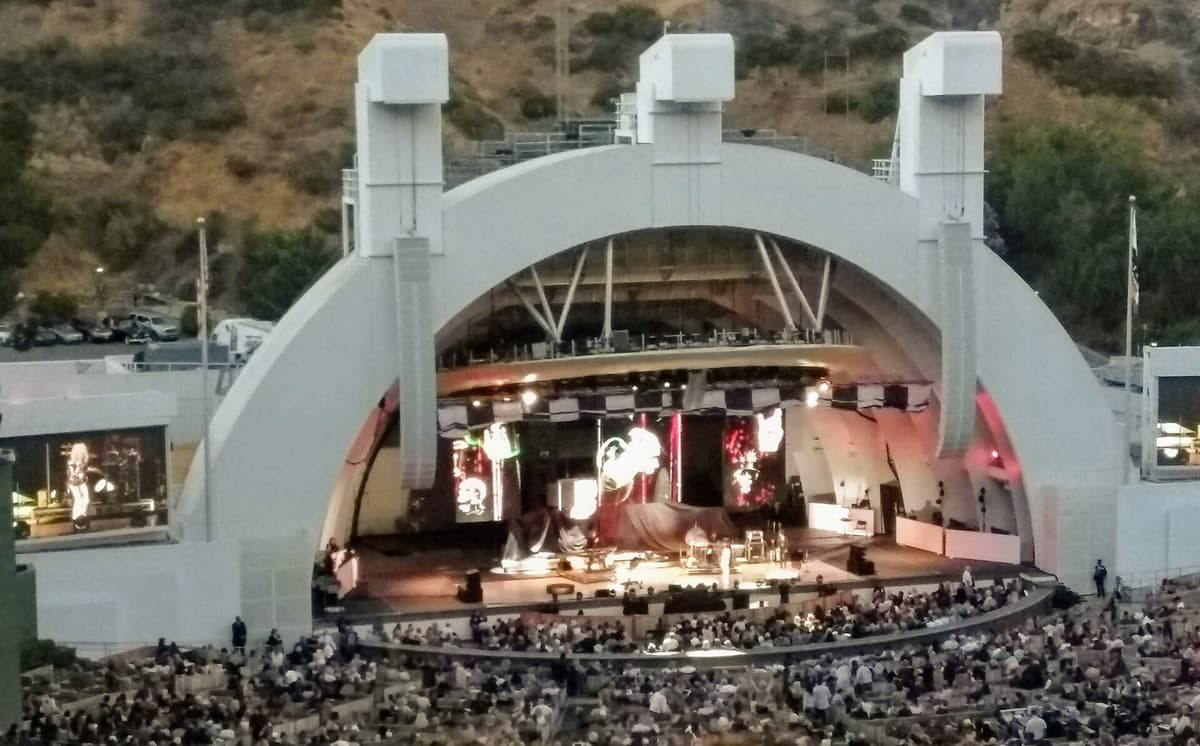
A federal jury in New York found on April 15, 2026 that Live Nation Entertainment and its Ticketmaster unit ran an illegal monopoly in concert ticketing. The verdict covers liability only, and the judge will decide what changes follow.
The case began as a federal suit. The Justice Department settled during the trial, and several states settled too. The states that stayed in went to verdict, and the remedy decision rests with Judge Arun Subramanian of the Southern District of New York. The outcome could affect how concert tickets are sold.
The companies want the verdict thrown out. The states want Live Nation split in part.
What the Jury Found
The jury found that Live Nation unlawfully monopolized three markets: primary ticketing, the use of large amphitheaters, and concert promotion services. It also found unlawful tying, including arrangements that tied artists' use of large amphitheaters to Live Nation's promotion services.
The jury also found that Ticketmaster overcharged customers $1.72 on each ticket sold at major concert venues over several years. The trial ran about a month, and deliberations lasted four days, according to Billboard. Harm to competition was found for all 34 state plaintiffs. The jury also found specific state-law violations in California, Florida, Illinois, Indiana, Kansas, New York, South Carolina, Tennessee and Vermont.
How the Federal Settlement Changed the Case
The Justice Department and Live Nation reached a preliminary term sheet, which Manatt dates to March 8, 2026. Billboard places the announcement a few days into the trial. The term sheet sets a settlement fund of $280,388,297 to resolve monetary relief and civil penalty claims brought by certain states.
On conduct, exclusive Ticketmaster contracts would be limited to four years. Venues could instead sign longer non-exclusive deals in which at least 20 percent of primary tickets per event sell on third-party platforms. Venues with existing exclusive contracts of four years or longer could exempt up to 20 percent of primary tickets for the rest of the contract.
At Live Nation-owned amphitheaters, fees would be capped at 15 percent, and the company would divest 13 named amphitheaters. The agreement would last eight years. Manatt notes that the term sheet does not define key terms, including Major Concert Venue and Amphitheater, and that ratification is uncertain.
The states that stayed in the case did not join the deal. Manatt reports that 27 attorneys general refused to approve it as of March 2026 and asked the judge to declare a mistrial. The judge criticized the mid-trial announcement and ordered Live Nation to keep negotiating with the holdout states that week.
Billboard says the settlement still needs the judge's approval. A former Justice Department official quoted by Billboard calls the situation unprecedented, because the judge must weigh the settlement against a possible stricter remedy based on the same facts.
What the Companies and States Have Filed Since
On May 21, 2026, Live Nation and Ticketmaster asked the court to overturn the verdict. They filed a motion for a new trial under Rule 59 and a motion for judgment as a matter of law under Rule 50(b). They argue the verdict was against the clear weight of the evidence, was affected by prejudicial evidence and errors in jury instructions, and rested on markets that were not properly defined.
The same day, the states filed their proposed remedies. Music Business Worldwide reports that the coalition asks for an order requiring Live Nation to divest Ticketmaster, such that it is capable of restoring competition for primary ticketing contracts with major concert venues. It also asks for the sale of a number of Live Nation-owned amphitheaters.
Manatt counts 34 state attorneys general in the verdict, while Music Business Worldwide reports a coalition of 33 states and the District of Columbia in the May filing.
What Happens Before Any Breakup
If the judge does not overturn the verdict, the judge must decide the remedy. That could mean damages, changes to how the company operates, or both. Billboard says this stage could take months, or up to a year, and an appeal could add at least another year. Live Nation says it can and will appeal any unfavorable rulings.
The judge could order Ticketmaster sold, or let Live Nation keep Ticketmaster and sell other assets, such as certain amphitheaters. Billboard notes that court-ordered breakups have become rare. It points to the Google search case, in which Google was found liable at trial in 2024 and the judge declined to force divestiture of Chrome or Android and instead required changes to contracting practices and data access for rivals.
Manatt reports that Live Nation is expected to argue that the court should use the Justice Department settlement as the benchmark. The states are asking for more.
“The verdict covers liability only, and the judge will decide what changes follow.”
What the Remedies Could Mean for Fans and Artists
Billboard suggests that the judge could impose operating guardrails similar to those in the Google case. Those could include limits on exclusive ticketing contracts, fee caps, or opening amphitheaters to rival promoters. The Justice Department term sheet already touches several of these areas.
For artists, the amphitheater findings are relevant. The jury found that artists' use of large amphitheaters was tied to Live Nation's promotion services, so a remedy touching amphitheaters or promotion could affect how those performers book venues.
For venues, the term sheet sets a choice between four-year exclusive contracts and longer non-exclusive deals with at least 20 percent of primary tickets sold on third-party platforms. For fans, the $1.72 per-ticket finding is the figure the jury reached, and the remedies phase will determine total damages.
Where the Case Stood in May 2026
The most recent filings covered here date to May 21, 2026. No ruling on the motion to overturn the verdict, on remedies or on the settlement is covered here.
Nothing in the term sheet is final until the judge approves it, and the states that went to verdict have asked for more. As of the last filings covered here, whether Ticketmaster is sold, or whether Live Nation is held to conduct rules, remains open.
More in Culture
Box Office
Clayface Opens to $24 Million Domestic and $43 Million Worldwide From 3,458 Theaters
DC Studios' Clayface opened at No. 1 with $24 million domestic and $43 million worldwide over Oct. 23–25, 2026, from 3,458 domestic theaters.

Kendrick Lamar
Kendrick Lamar in 2026: The Most-Awarded Rapper in Grammy History Plots His Next Move
Two years after GNX, the Compton rapper holds records at the Grammys, the Super Bowl and the box office. Here is where Kendrick Lamar stands now, and what to watch next.