
Writers Guild
What WGA Separated Rights Give Writers: Different Tests for Features and Television
Separated rights let writers of original material keep specific rights under the WGA contract, with one test for feature films and another for television.
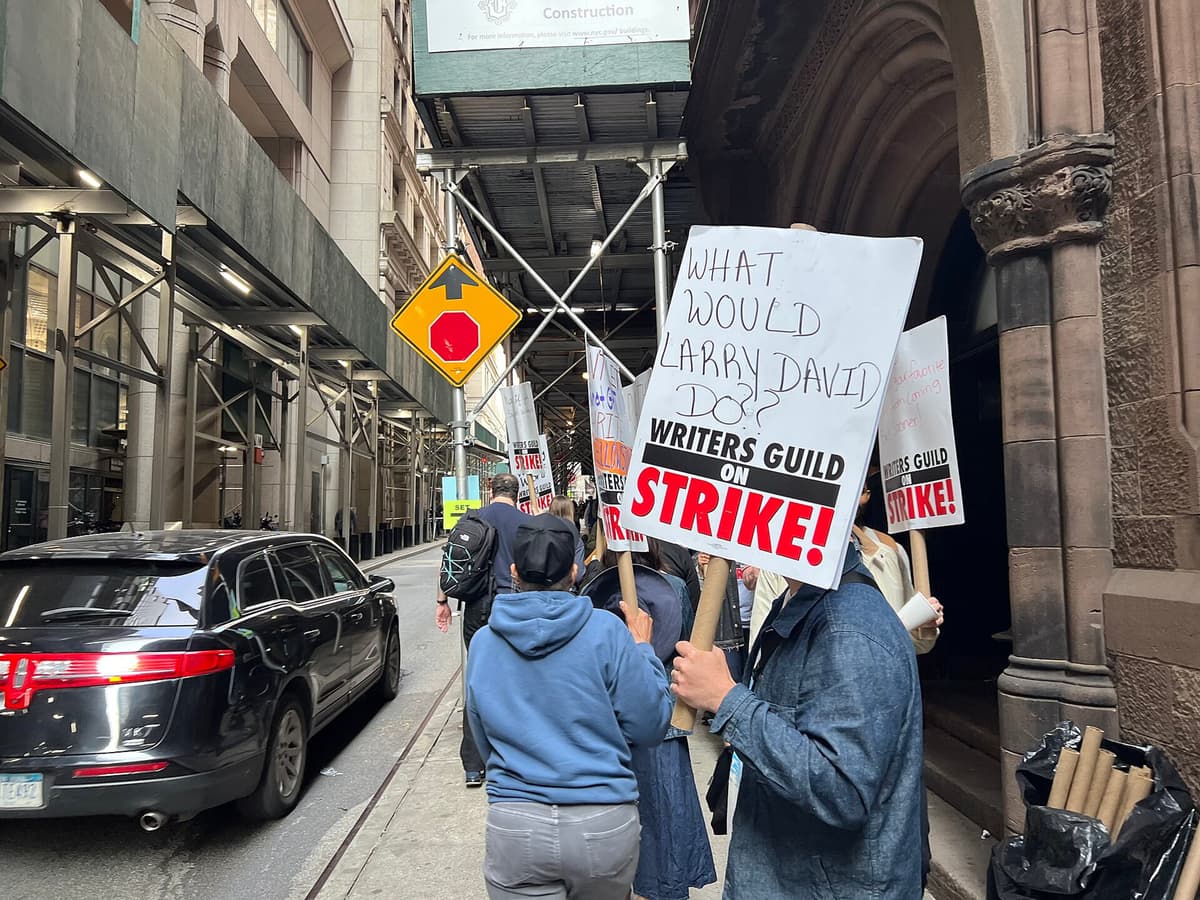
Separated rights are a bundle of rights that the Writers Guild of America's contract gives to writers of original material. For feature films they include stage and publication rights, and on television they include series rights. The rules differ for feature films and for television, and both depend on a credit that the Guild determines.
The terms sit in the Guild's Minimum Basic Agreement with the AMPTP. The current agreement runs from May 2, 2026 through May 1, 2030, and members approved it with 90.38 percent of the vote.
Feature Eligibility Starts With an Original Story
A feature writer first qualifies by writing an original story, either under employment or by buying the material from a professional writer. Material that was already published or produced does not count as original, including a writer's own earlier published or produced work. Source material from outside Guild jurisdiction can still qualify if the writer creates a substantially new and different story, or if the material is unavailable, such as when it is out of print or not provided by the company.
A screenplay adapted from a produced play gives no separated rights in the screenplay. Rights in the play must be negotiated separately.
Final qualification depends on credit. The writer must receive a Story by, Written by or Screen Story by credit. A writer who receives story-type source material but creates a substantially new and different story must seek a Screen Story credit. Writers who share a qualifying credit share the rights, and a team joined by an ampersand counts as one writer. The Guild's determination is final and cannot be negotiated in an individual contract.
Final credits are generally set after principal photography, and credit arbitrations go to three independent arbiters. A preliminary determination may be needed earlier, such as when a novelization is planned.
What a Feature Writer Keeps
Writers hold publication rights to the script and to books based on it, subject to a holdback period. They also hold dramatic stage rights. A stage version may be produced two years after general release if the company has not exploited the rights, or five years after the contract date if the material has not been produced.
Sequel payments go to the writer at no less than the WGA minimum for theatrical sequels, TV movie sequels and series based on the film. Theatrical sequels also carry a based-on-characters credit. Sequels include theatrical films in which the first film's principal characters appear in an entirely new story.
The mandatory first rewrite applies when a writer sells or options an original screenplay. It is paid at no less than the minimum and lasts three years from the writer's services. If a changed element, such as a new director or star, calls for another revision and no other writer has been hired, the writer must be offered that revision.
Two further protections apply. A writer must first be given the opportunity to meet with a senior production executive before being replaced. Original literary material that has not been produced within five years can be reacquired in a two-year window, if it is not in active development. The writer repays the amount paid for the purchase or writing services.
What the Studio Keeps on Feature Films
The company keeps the right to have a novelization published with the film's release. It must first offer the writer the chance to negotiate the publishing deal. If the writer declines, or the deal does not close in time, the company may publish, but it must pay at least the WGA minimum: a $3,500 advance against 35 percent of the publisher's monies, with minor deductions.
Merchandising belongs to the company. A writer may earn 5 percent of manufacturer payments for objects first fully described in the writer's literary material. The script must physically describe the object, and the final product must substantially follow that description.
Separated rights do not apply when the company supplies a character it owns that has been previously exploited in a book or prior film and is a principal in the film. Rights to a real person's life must be acquired separately.
Remakes are not separated rights. Credited writers of an earlier version written under WGA jurisdiction are listed as participating writers on the remake and may be eligible for credit and additional monies, whether or not they hold separated rights.
Television Depends on Credit, Including Created By
On a television movie, the writer with a Story by or Written by credit, and in some cases a Television Story by credit, receives separated rights. On an episodic series, the writer credited as creator, as determined by the WGA, receives them. Generally, there are no separated rights when the work is based on source material such as a book or play. Factual sources and substantially new stories are exceptions.
When a series has no separated rights, the credited pilot writers receive an adaptor's royalty of 75 percent of sequel payments, with no residuals. A 'Developed by' credit may be negotiated, and it is not subject to automatic credit arbitration.
If the company produces the series in time, it owns the series rights, and writers with separated rights receive sequel payments and residuals on each episode.
“Separated rights are a bundle of rights that the Writers Guild of America's contract gives to writers of original material.”
Exclusive Periods, Reversion and Buybacks
The company generally holds exclusive production rights for four years from delivery of the writer's original material. For material intended for programs of 60 minutes or less, or for topical material, the period can drop to 30 months if the material is not in active development at that point. Series rights run for the same period, and can extend to three years after broadcast of an original movie or pilot that aired within three years of delivery.
Rights revert to the writer when the company does not act in time. If no series is produced within the time limits, sequel rights revert exclusively to the writer. Unproduced formats revert within 18 months of delivery, and unproduced bibles within 24 months. Reserved rights, including stage, theatrical, publication and merchandising rights, revert if unexploited within four years of delivery or three years after the original project's exhibition, subject to the company's limited right of first negotiation.
After the exclusive period ends, writer and company share non-exclusive rights. The writer may buy back the company's non-exclusive right by repaying what the company paid. The writer owes no other charges, but must require the new production company to pay other costs directly attributable to the literary material out of its first revenue after production costs are recovered. The buyback mechanism has applied since the 1985 MBA.
The 2026 Agreement's Headline Terms
Members approved the 2026 agreement by 90.38 percent, or 4,282 votes, with 9.62 percent (456 votes) opposed. The term runs four years, from May 2, 2026 through May 1, 2030.
Minimums rise by a combined 10.5 percent over the term, with a larger first-year increase for Comedy-Variety writers. The health contribution rate rises 3.25 percent on May 2, 2026, and contribution caps also increase. A projected $280 million in new funding is expected for the health plan over the term.
WGAW President Michele Mulroney said the agreement returns the Health Fund to a sustainable path.
More in Hollywood

WGA West
DramaWave's 27 Writers Organize With WGA West After Card Check
DramaWave's 27 writers organized with the WGA West on Nov. 16 after the company recognized the union ahead of a card check. Bargaining dates are not set.

Producers Guild
Producers Guild Awards Set Feb. 27, 2027 Ceremony, With Ballot Fees and Credit-Based Eligibility
The Producers Guild Awards turn on producing credits, paid ballot fees and a fixed calendar. Here are the 2027 dates and the rules behind them.