
shift
Why Vintage Became Prestigious
Archival dressing moved from thrift to the highest signal on the carpet. The reasons are partly ethical and mostly about scarcity.
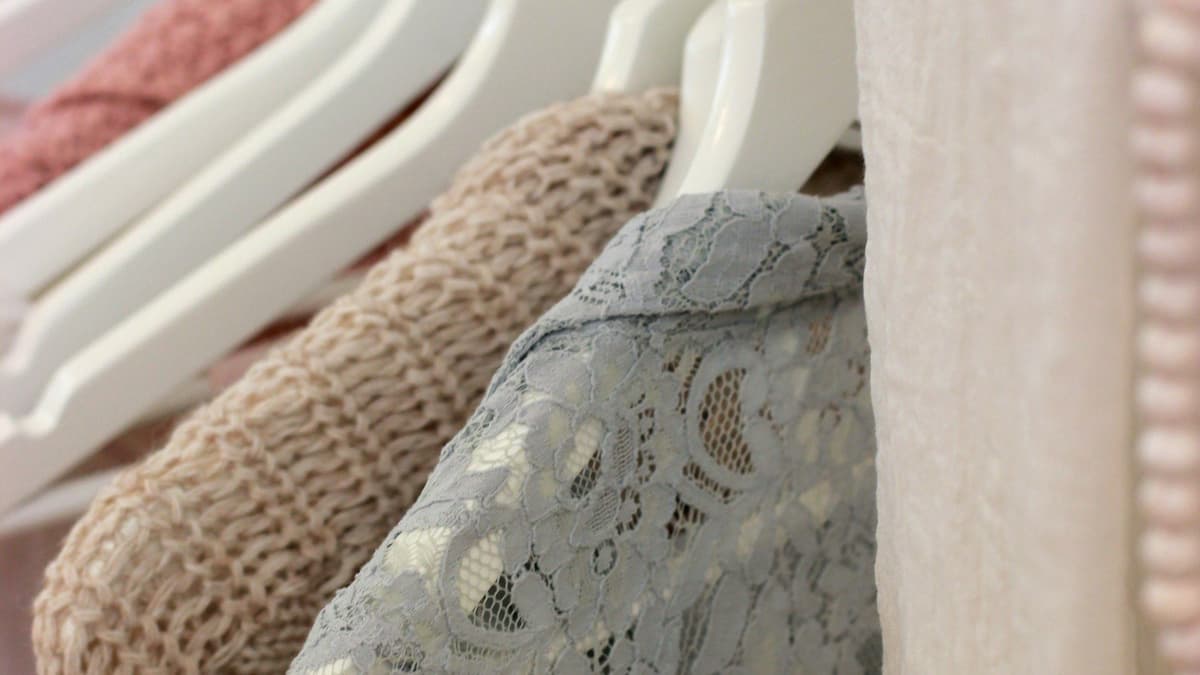
Within roughly fifteen years, wearing something old on a red carpet has moved from a mild eccentricity to among the strongest available signals of taste. The shift is worth examining, because the stated reason and the operative reason are not the same.
The stated reason
Sustainability is the explanation usually offered, and it is not insincere. Fashion's environmental cost is substantial and increasingly discussed, and wearing an existing garment rather than commissioning a new one is a defensible response.
It is also, at the scale of a single appearance, close to symbolic. One reworn dress does not alter an industry's footprint. Its function is communicative — a signal of values rather than a material intervention.
That does not make it worthless. Signals shape norms. But it is not sufficient to explain why archival dressing became prestigious rather than merely acceptable.
The operative reason: scarcity
Current-season couture is, in the relevant sense, available. A house will produce for a client of sufficient standing, and enough people have that standing that the garment does not distinguish its wearer very far.
An archival piece cannot be produced. It exists in one condition, in one size, and either can be secured or cannot. Wearing it demonstrates access to something that cannot be bought at any price, which is precisely what luxury signalling requires once money has stopped being scarce among the relevant group.
This is the same logic that makes a difficult restaurant reservation more prestigious than an expensive one.
Expertise as the second signal
Archival dressing also demonstrates knowledge. Selecting a piece from a specific house, era and collection — and having it read correctly by people who recognise it — communicates a fluency that wearing the current collection does not.
This creates a layered audience. Most viewers see a beautiful garment. A smaller group recognises the reference, and it is that group the choice is really addressed to.
The market that followed
Prestige produced infrastructure. Specialist dealers now source archival pieces at significant prices. Conservation and restoration have become genuine professions, since garments of forty or fifty years old are frequently fragile and require work before they can be worn for several hours.
Houses responded by professionalising their own archives, and access to a heritage archive is now itself a marker of relationship — the house is signalling that this individual is worth the risk to a piece it cannot replace.
The frictions
Several. Sizing is the most persistent: archival garments exist as made, and alteration to a historically significant piece is contentious, sometimes prohibited by the lender.
Condition is another. Textiles degrade, and a piece that photographs well may not survive an evening. Some are worn for photographs only and changed before the event proper.
And there is a definitional creep worth noting. Vintage has begun to include pieces from ten or fifteen years ago, which stretches the term past usefulness. A garment from a recent collection is not archival; it is simply not current.
Where it goes
The signal is subject to the usual dynamic: as more people adopt it, it distinguishes less. Some of the most interesting recent choices have moved past major-house archives towards lesser-known designers of the same period, which restores the scarcity and the expertise requirement simultaneously.
The sustainability argument will persist because it is genuinely defensible. But the reason archival dressing became the highest signal on the carpet is the oldest reason in the category — it is very hard to get, and everyone who matters knows it.
More in Style

CFDA
Zane Li of Lii Wins the 2026 CFDA/Vogue Fashion Fund With $300,000 Prize
New York designer Zane Li, of the label Lii, won the 2026 CFDA/Vogue Fashion Fund on Oct. 20, with $300,000 and business mentorship for the winner.
Victoria's Secret
Victoria's Secret Brings Its Fashion Show Back to Los Angeles, Streamed Free on YouTube
Victoria's Secret staged its Fashion Show in Los Angeles on 18 October, the first time in 19 years, with veteran models, new faces, four musical acts and a free YouTube stream.