
costume design
How costume designers shape luxury fashion collections through prestige films
When Kate Hawley won the Costume Designers Guild Award for Period Film in February 2026 for her work on Frankenstein.
The relationship between costume design and high fashion is no longer incidental. It is a deliberate, timed mechanism. Awards honor costume excellence in February. Collections debut at fashion weeks in September and beyond. Fashion houses study the prestige films, employ costume designers as consultants, and build runway pieces around the aesthetics that have already captured awards attention and cultural momentum.
The awards-to-runway pipeline
The Costume Designers Guild Awards recognize excellence across film, television and short-form content in categories including contemporary design, period design, and science fiction or fantasy design. The 28th CDG Awards in February 2026 honored period costume design, the category most closely aligned with luxury fashion aesthetics. Kate Hawley's win for Frankenstein carried particular weight because period films dominate the Academy Award for Costume Design. The guild's awards frequently correlate with Oscar outcomes, signaling to the broader fashion industry which costume approaches have reached the highest levels of cultural and professional validation.
This timing matters. By late February, fashion houses have already sketched their Spring/Summer collections and finalized Fall/Winter concepts. The CDG Awards provide real-time validation of aesthetic directions. A costume designer's recognition for gothic sensibilities, Victorian details, or historical accuracy becomes a signpost that luxury brands follow into their own design rooms.
Prestige films and fashion house collaboration
Costume designers and luxury brands increasingly work together during production, not after. When Prada collaborates on a prestige film, the relationship shapes both the movie's costume design and future collection concepts. For The Great Gatsby in 2013, 40 dresses from Prada and Miu Miu archives were reworked for the film. That work entered the fashion industry's intellectual property—ideas tested, refined, and validated on screen became inspiration for subsequent runway collections.
The mechanism varies. Sometimes luxury houses supply garments for the film and maintain the design relationship afterward. Sometimes costume designers serve as consultants to fashion houses, translating prestige film aesthetics into ready-to-wear or haute couture. Sometimes the relationship is reversed: a costume designer draws from a luxury house's archives to create period authenticity, and the fashion house learns from how its historical pieces translate to different eras.
The Costume Designers Guild has noted concerns about credit attribution in these collaborations. When brands gain visibility from film placement, costume designers sometimes lose recognition for their conceptual contributions. The guild has advocated for proper acknowledgment, noting that when luxury houses become central to a film's costume vision, the distinction between costume design and brand integration blurs.
Fall 2026's gothic turn from prestige films
Fall 2026 eveningwear at New York Fashion Week turned decisively gothic. The catalyst was unmistakable: 19th-century British literature adaptations. Frankenstein, Dracula, and Wuthering Heights each released within the 2025-2026 awards season, and each employed costume designers who studied historical periods with the precision that luxury fashion now demands. Kate Hawley's work on Frankenstein set an aesthetic standard. Linda Muir's Nosferatu costume design reinforced the cultural moment.
Luxury brands responded directly. Fall 2026 collections featured velvet in deep jewel tones (burgundy, forest green, purple, black), ruffled high-necked blouses, corset-inspired lacing, and floor-length maxi silhouettes. These were not original ideas. They were costume design elements, validated by awards recognition and prestige film production, adopted into luxury commerce.
The timeline and mechanism
The sequence is predictable: Awards recognition in February establishes aesthetic authority. Fashion houses and independent designers watch those ceremonies and read industry coverage. Collections debut at fashion weeks in September and beyond.
Streaming and social media have accelerated this cycle. Fashion houses study not just award footage but behind-the-scenes interviews with costume designers. They examine close-up photography of garment construction. They read costume design publications and attend industry panels where designers discuss their historical research and fabric sourcing. The democratization of these details means that prestige film costume work influences more designers more quickly than in earlier decades.
Earning costume influence in luxury
Not every costume design win translates to fashion influence. The relationship depends on category (period design influences luxury more immediately than contemporary design), film genre (prestige drama and period pieces outweigh superhero films in fashion house interest), and designer reputation. Kate Hawley, with Oscar history and major prestige film experience, carries more influence than a costume designer winning their first CDG Award.
Why luxury fashion watches costume awards
Costume design represents the highest level of historical research, fabric knowledge, and tailoring craft that mainstream fashion encounters. A costume designer working on a period prestige film will spend weeks or months sourcing accurate textiles, understanding how fabric aged, learning how garments functioned. That research becomes valuable intellectual property for luxury brands seeking authenticity in their own period-inspired work.
Additionally, costume design carries cultural authority that internal fashion research does not. When a costume designer's work wins an Academy Award or Costume Designers Guild Award, it has passed through multiple levels of expert evaluation. That validation means luxury houses can reference costume-inspired aesthetics without the risk associated with purely internal design decisions. Fashion buyers and consumers accept a collection inspired by Oscar-winning costume design more readily than they accept design that exists without external validation.
Related coverage: How costume designers source and authenticate fabrics for period films; Why Fashion Houses Court Film So Aggressively.
More from Style
product placement
How fashion brands actually get into major films and television
The process requires months of advance planning and careful alignment between production teams and brand executives, with costume designers holding the power to approve which brands appear on screen.
costume design
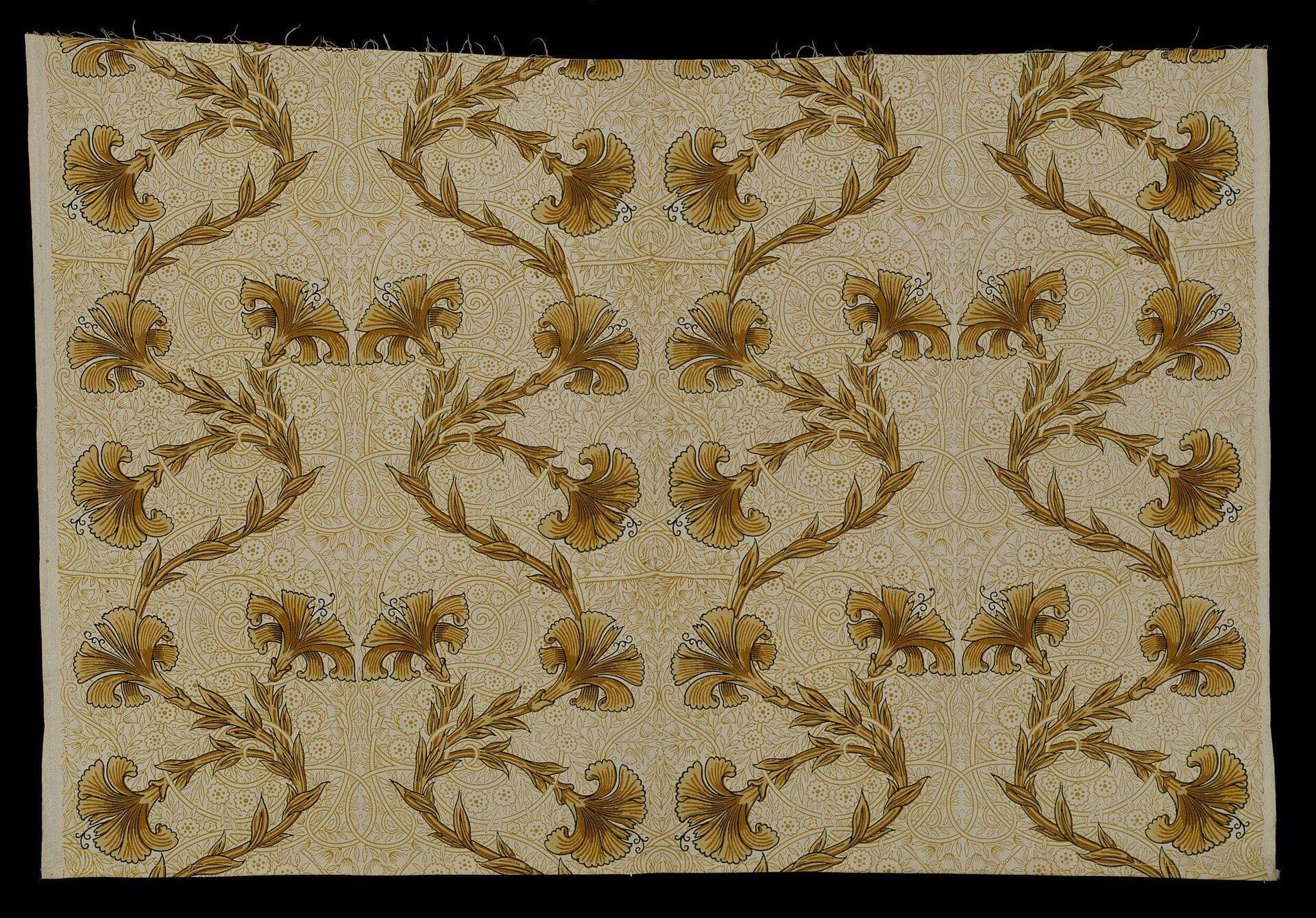
How costume designers source and authenticate fabrics for period films
Researchers consult museum collections, historical documents and textile experts to ensure that every garment reflects its era's materials and construction techniques.