
Red Carpet
How Fashion and Beauty Brands Pick Their Awards-Season Faces
As Hollywood's fall calendar opens, luxury houses and beauty companies are deciding months in advance which stars are worth backing, and what it costs to sign them.
By the time nominations are announced, much of the fashion has already been decided. The festival circuit in Toronto each September, followed by the Emmys, functions as a proving ground where luxury and beauty companies test which actors are worth building a relationship around, well before the industry's own voting begins.
This year's Emmys, held September 14 at the Peacock Theater in Los Angeles, showed what that investment looks like in practice. Ayo Edebiri wore a custom Chanel gown that took 163 hours to construct, built around a design from creative director Matthieu Blazy's Cruise 2026/2027 collection — the kind of commitment a house makes for someone already locked in as an ambassador, not for a one-night loan.
The Ambassador Contract vs. the One-Night Loan
Most of what appears on a red carpet begins as a dress the actor did not buy and is not expected to keep. But the largest houses increasingly work through standing ambassador contracts that tie a star to a single label across seasons, rather than negotiating loans one event at a time.
Louis Vuitton signed Emma Stone in October 2017, less than a year after she won an Oscar for "La La Land." According to W Magazine, the deal was reported at $6 million to $10 million over two years and followed nearly a year of pursuit by LVMH. Stone became the face of the house's womenswear line under artistic director Nicolas Ghesquière, described as a creative "muse" connection; the same reporting noted LVMH had also courted her "La La Land" co-star Ryan Gosling for years without success.
Dior's arrangement with Jennifer Lawrence has been reported at a higher level still — $15 million to $20 million, according to E! News — though that figure comes from older reporting, and neither house has confirmed current terms. Chanel took a similar approach with Ayo Edebiri, naming her its ambassador on October 6, 2025, timed to precede Blazy's debut runway show as the house's new creative director. She had already worn Chanel to premieres in Venice and New York beforehand, a detail read by outlets covering the announcement as a hint of what was coming.
Who Gets First Choice of the Dress
Once a season's collections exist, a hierarchy determines who wears what. According to E! News's account of the process, awards nominees often get first choice of a designer's pieces, with presenters given the next opportunity. Custom gowns are the most valuable placements and are kept secret from the runway beforehand to preserve their exclusivity for the red carpet.
Stylists work through the options on a client's behalf — sometimes trying on dozens of dresses before settling on one — and negotiate directly with houses when more than one client wants the same piece, in a process E! News described as "designer-actress musical chairs."
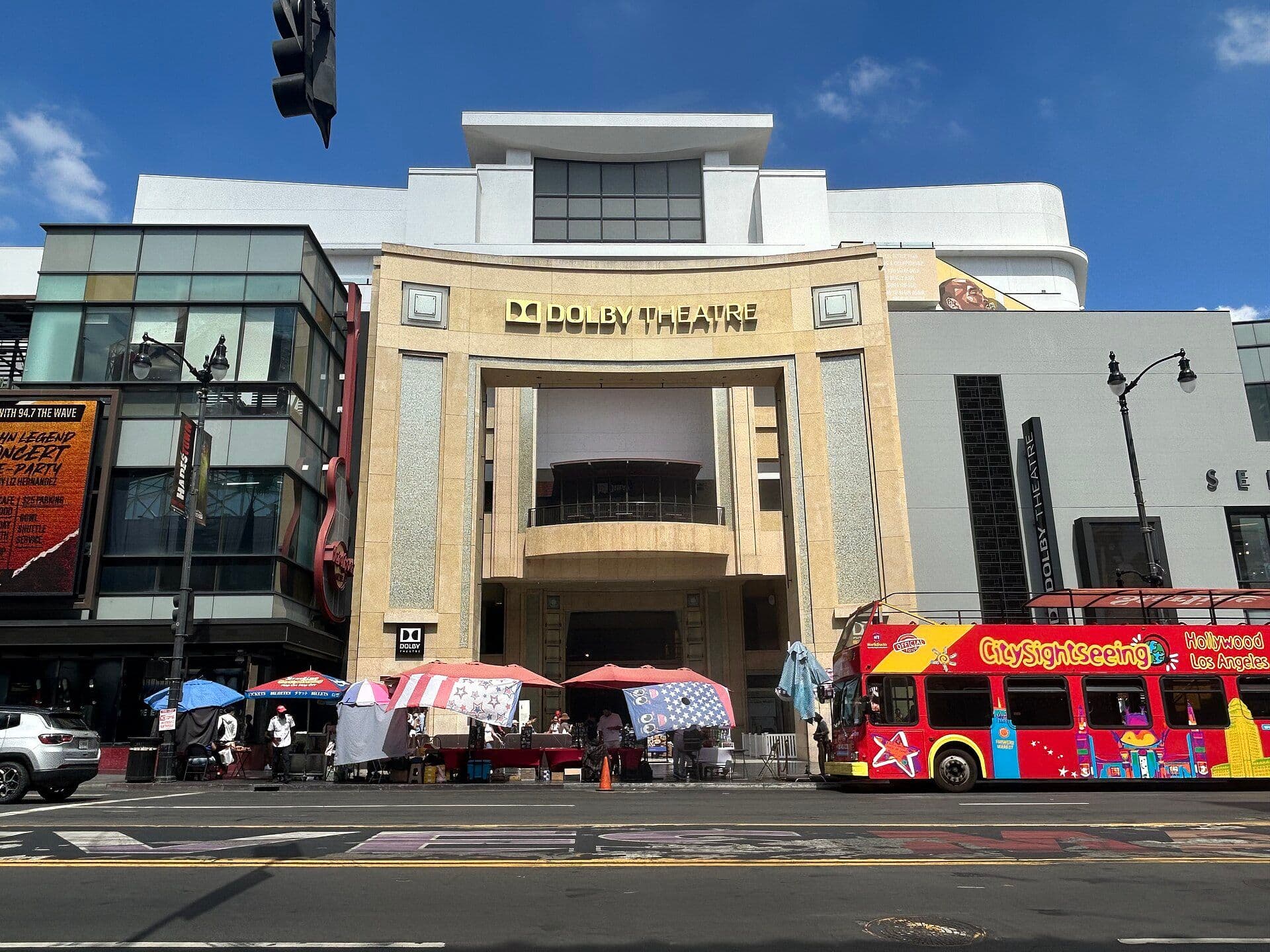
The 98th Academy Awards, held March 15, 2026, at the Dolby Theatre and hosted by Conan O'Brien, showed how concentrated that selection can get. Best Actress nominees Emma Stone and Jessie Buckley wore Louis Vuitton and Chanel; Best Supporting Actress nominees Teyana Taylor and Wunmi Mosaku wore Chanel and Louis Vuitton, while fellow nominee Amy Madigan and Best Actress nominee Rose Byrne both wore Dior. Three houses accounted for many of the major acting nominees on the carpet that night.
What Brands Actually Pay
Beyond ambassador contracts, individual placements carry their own price. Stylist Jessica Paster, who has dressed Cate Blanchett, Emily Blunt and Sandra Bullock, told a Vulture festival panel that actors can be paid $100,000 to $250,000 to wear a specific designer, and that stylists who arrange the placement typically collect $30,000 to $50,000 themselves. "Jewellery people are paying, shoe people are paying, tampon companies are paying, everyone is paying," she said, adding that money changes hands only once a dress has already been chosen on its merits.
Full ambassadorships run far higher. Reporting by The New York Times, cited by the Globe and Mail, put one such deal near $4 million, covering advertising campaigns, store appearances, red carpet dressing, daily paparazzi appearances and social media posts — well beyond a single red carpet night.
“Three houses accounted for many of the major acting nominees on the carpet that night.”
Beauty Brands Bet on Momentum, Not Just Prestige
Fashion houses tend to chase proven prestige — an Oscar winner, a sitting nominee. Beauty companies are increasingly betting earlier, on actors whose fame is still rising.
Rare Beauty, the cosmetics brand founded by Selena Gomez in 2020, went six years without naming a celebrity ambassador before signing 19-year-old actress Ella Bright in July 2026. Bright had just broken out playing Hannah Wells on "Off Campus," which premiered two months before the announcement. The company built the partnership around Bright's own prior use of its Soft Pinch Liquid Blush, framing it as bringing "a sense of real cultural momentum, not just a product push."
Estée Lauder took a similar approach in naming British actress Daisy Edgar-Jones as global ambassador on January 8, 2026, to represent skin care, makeup and fragrance, with her first campaign debuting February 2 across print, digital and in-store. Global brand president Justin Boxford called her "aspirational yet approachable," language aimed less at box-office or award pedigree than at youthful, approachable appeal.
Timing a Deal to the Calendar
The timing of these announcements is rarely accidental. Chanel's decision to unveil Edebiri as ambassador just before Blazy's debut collection let the house pair a new creative direction with a recognizable face at the same moment, then carry that pairing through the fall festival circuit: Edebiri wore Blazy's Chanel couture to a September 11, 2026, premiere at the Toronto International Film Festival, styled, as at the Emmys, by Danielle Goldberg.
TIFF's September 10–20 run served as an early showcase more broadly. Jodie Comer wore Fendi's fall 2026 couture collection to a September 10 premiere, styled by Emma Jade Morrison, while Taraji P. Henson wore Stephane Rolland at a September 14 premiere, styled by Kollin Carter. None of those looks were tied to a nomination — the ceremonies that matter, including the next Academy Awards, are still months away — but each appearance puts a working relationship between star, stylist and house on display before the voting that will decide where the biggest gowns ultimately land.
Related coverage: Why streaming fee cuts are squeezing Hollywood's stylist business.
More from Style
stylists
Why streaming fee cuts are squeezing Hollywood's stylist business
Streaming services are paying stylists less for press tours than movie studios once did, even as fashion houses pour record money into red carpet exposure.
Red Carpet
How Vintage Archives Became Red Carpet Suppliers
At the 2026 Venice Film Festival, decades-old gowns outshone new ones. A small network of dealers and archivists supplied them, and awards season is next.