
stylists
Why streaming fee cuts are squeezing Hollywood's stylist business
Streaming services are paying stylists less for press tours than movie studios once did, even as fashion houses pour record money into red carpet exposure.
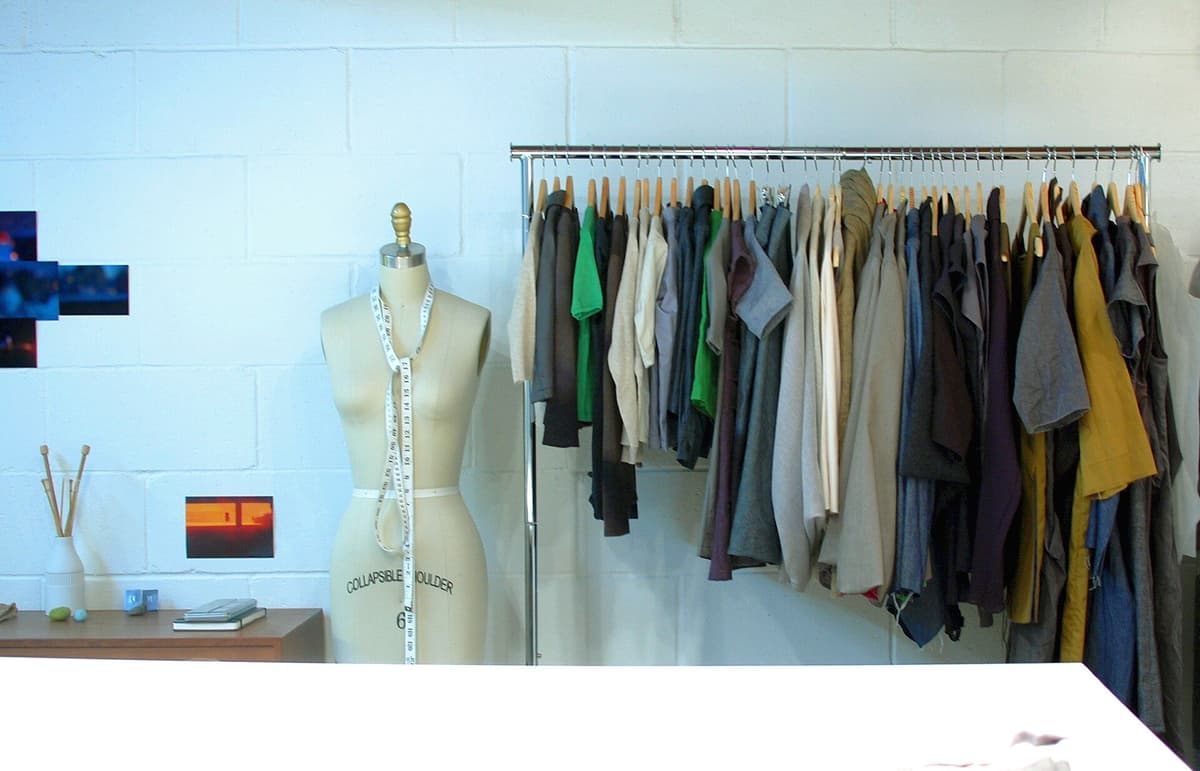
Hollywood is dressing more talent, for more premieres and press tours, than the stylist business was built to handle at scale. Yet the studios that once wrote the checks for that work are contributing less to it.
Stylists, agents and analysts describe a widening gap: paychecks tied directly to streamers have flattened or fallen from what movie studios once paid, while fashion houses spend record sums to get their clothes onto red carpets. The stylists doing the work, and the smaller labels hoping to be worn, sit in the middle of that shift.
When Movie Studios Wrote the Checks
For years, stylists say, film studios paid directly and reliably for the work of dressing actors for premieres and press tours. That arrangement has changed. In an April 2026 Hollywood Reporter profile of The Wall Group, one of the industry's largest stylist agencies, an unnamed stylist described the shift bluntly: "When we got paid by movie studios, it could be very good. Then the streamers cut our fees."
The pay pressure isn't new, but it has hardened into a structural complaint. A 2023 Dazed report on stylists organizing under the UK union Bectu found that Netflix's standard rate for a styled outfit had remained at $500 per look since 2016. Stylist Zadrian Smith told the outlet that offers from major streamers were sometimes as low as £250 to £300 per look, with anything approaching £1,000 rare, calling the pay from "multibillion dollar streamers" laughable given the scale of the business around it.
What a Flat Fee Doesn't Cover
The per-look rate is only part of the cost. According to the Dazed reporting, stylists organizing through the Celebrity Stylists Union tallied expenses that regularly eat into a flat fee: courier charges of roughly £40 per shipment, day rates of £150 to £230, tailoring costs of £300 to £400, and international return shipping that can run £500. Agencies typically take a 20 to 30 percent commission on top of whatever fee is negotiated.
The union also documented the time involved: a single look can require a minimum of nine days of work, and often closer to two weeks, once client contact, fittings, tailoring, dressing and returns are counted, against a workday the union says is often stretched to 20 hours rather than the standard eight. Its list of demands included overtime pay, dedicated courier and tailoring budgets, assistant and shopping budgets, kit charges, travel expenses and payment within 30 days. The proposed baseline was £1,250 per look. Michael Miller, the London-based stylist leading the effort, said the perception that styling is fun undercuts how it's valued: "People don't want to pay or treat you fairly because what you do is for 'fun.'"
Brands Step Into the Gap
As studio and streamer fees have flattened, stylists increasingly look to fashion houses to make up the difference. The same Hollywood Reporter profile of The Wall Group described brand-direct payment as comparatively steady: "The bigger the brand, the bigger the check," with luxury houses such as Hermès, Louis Vuitton and Prada paying more than smaller labels. The agency, founded by Brooke Wall in Los Angeles in 2000, represented 40 artists in its early years; WME/IMG acquired it in 2015 for an undisclosed sum, and it now represents 250 wardrobe, hair and makeup stylists across offices in New York, Nashville and London.
The workload behind that brand money is heavy. The profile put a single stylist's awards-season workload at roughly twenty looks, with one dress or suit alone able to mean "a month of work" once fittings, sourcing jewelry and accessories, and tailoring are counted. Kate Young, one of the industry's best-known stylists, runs two full-time assistants to manage it. Stylists are also building income outside any single fee, through brand ambassadorships, campaign work and social media, where followings in the one-to-four-million range, cited in the same piece for figures such as Chris Appleton and Hung Vanngo, translate into separate paid partnerships.
The Placement Gamble: No Guarantee, No Pay
Even when a brand is willing to pay, there's no guarantee any given garment gets worn, and no guarantee anyone gets paid if it doesn't. Reporting by Coveteur in May 2025 described the mechanics: designers loan pieces on spec, absorbing the cost of alterations, fittings and international shipping, and if a look doesn't make it onto the carpet, "you send it back, apologize, and no one gets paid," according to one stylist. An anonymous publicist described the shipping risk more bluntly: "If you're lucky, your piece arrives on time. If not, you spend days on hold with DHL and pray."
That risk falls hardest on smaller and newer labels competing for a slot against heritage houses. Los Angeles stylist Tatiana Waterford told Coveteur that losing a placement to a bigger name is a routine, discouraging part of the job: "It's always really disheartening to text the designer's team and let them know things didn't go their way," she said, adding that "every new face is going to choose an incredible piece by a heritage house when given the chance." Others see it differently: Albert Ayal, who runs the account UpNextDesigner, argued that newer designers are often the ones producing the most memorable red carpet moments, saying "the right match between a designer and a celebrity or stylist can shape how the public perceives both."
“It's that expanding, brand-funded system that stylists say has left the studio- and streamer-funded portion of the job increasingly out of step with the scale of the business around it.”
The Red Carpet's Price Tag Keeps Rising
The brand spending behind red carpet exposure has been climbing even as studio fees have not. Data from marketing analytics firm WeArisma put the earned media value generated across brands at the 2026 Academy Awards at £553 million, a 41.4 percent increase year over year, with 413 million engagements and a global reach of 2.23 billion people. Louis Vuitton led individual brands at £11.3 million in earned media value, followed by Valentino at £9.7 million, Chanel at £7.3 million, Dior at £6.3 million, Gucci at £6.0 million and Givenchy at £5.0 million; for the top brands, WeArisma found that more than 95 percent of that value came from press coverage rather than social media posts. A single Robert Downey Jr. Instagram post wearing Valentino generated £2.9 million of that brand's total on its own.
The same dynamic showed up at the 2025 Met Gala, where Coveteur reported Louis Vuitton alone generated $55.2 million in media impact value, with nearly half of that total tied to a single look worn by the musician Lisa; the smaller label Torishéju earned $6.6 million in media impact value from a look worn by Kendall Jenner. Speaking to ABC7 San Francisco about the Oscars specifically, Shadow co-founder Liza Suloti called the red carpet "one of the most important marketing machines that exists," and industry expert Joe Zee noted that "there's a lot of contracts walking up and down that red carpet." A single custom gown can be worth $150,000 to $500,000, according to the report, and the prior year's ceremony generated more than $1 billion in social media impressions.
A Business Brands Built, Studios Didn't
The arrangement where fashion brands, not studios, fund red carpet dressing has deep roots. ABC7 traced a turning point back to 1997, when Nicole Kidman wore a Galliano-designed piece from Dior's runway to the Oscars, the first time a runway look appeared on the red carpet and a moment credited with shifting European designers' attitude toward dressing celebrities. The Globe and Mail, reporting in September 2026, traced the commercial relationship further back, to Giorgio Armani dressing Richard Gere for the 1980 film "American Gigolo," with the business booming by the mid-2000s and full glam teams becoming standard at premieres roughly a decade ago.
Fashion journalist Bronwyn Cosgrave told the Globe and Mail that the funding source is now explicit: "Fashion and fine jewellery brands are effectively funding what we're seeing," describing the annual cycle as a "treadmill" that "starts around TIFF and winds up at the Oscars." Red carpet photographer George Pimentel told the paper that the sheer volume of content has changed what a look can achieve: "A Dior gown isn't necessarily interesting any more. There are thousands of beautiful gowns," though he added that "people are fascinated by who is wearing what" even as social media multiplies the competition for attention. It's that expanding, brand-funded system, more looks, more stylists, more competing labels, that the union organizers and Wall Group stylists say has left the studio- and streamer-funded portion of the job increasingly out of step with the scale of the business around it.
More in Style
Capri Holdings
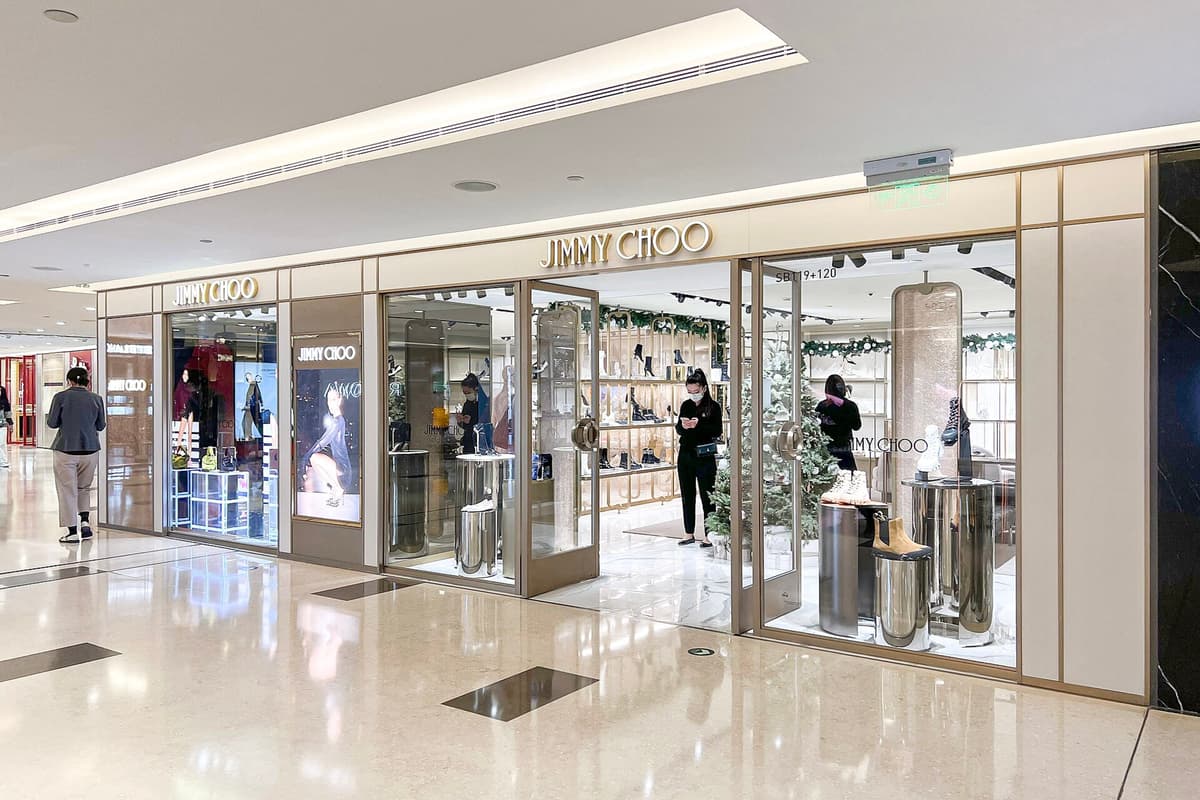
Capri Raises Full-Year Outlook as Jimmy Choo Grows and Michael Kors Falls
Capri Holdings raised its fiscal 2027 outlook on Oct. 30, 2026, after second-quarter revenue fell 5.5% to $809 million and Jimmy Choo sales grew 11.5%.
Intimates
Monique Lester's Lingerie Brand: What She Has Shared About Crystal Rose Intimates
Monique Lester, the Australian model, is preparing to launch her lingerie brand, Crystal Rose Intimates. Here is what she has shared so far.