costume design
How costume designers source and authenticate fabrics for period films
Researchers consult museum collections, historical documents and textile experts to ensure that every garment reflects its era's materials and construction techniques.
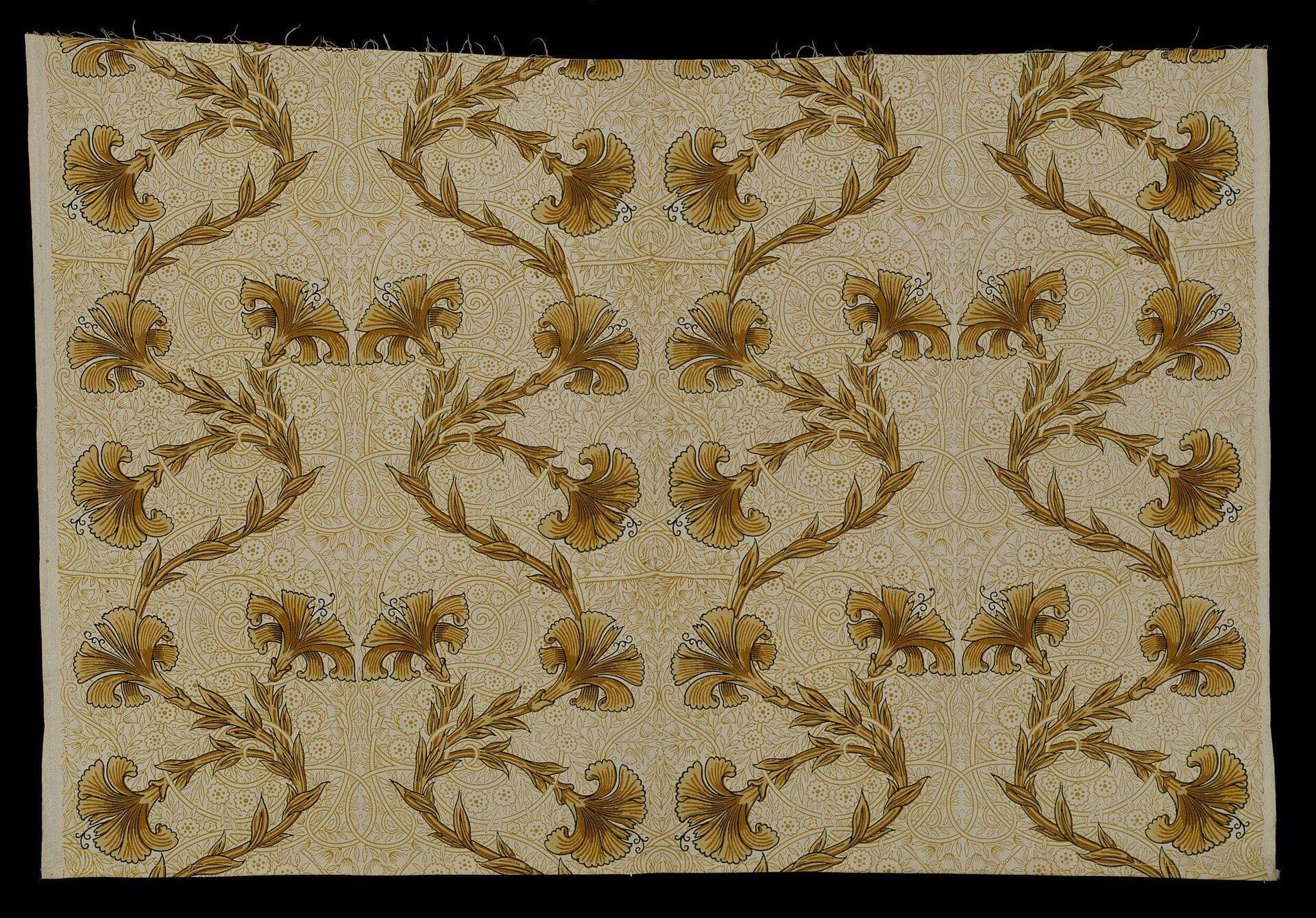
Building a costume for a period film starts long before a stitch is sewn. Costume designers spend months or years studying how people actually dressed in a particular era—not just the silhouette, but the fabric itself. A dress from 1815 would have been made from natural materials available in that year, sewn with techniques suited to its time, and dyed with pigments that existed then. Modern costumes that fail to account for these details risk breaking the film's visual logic, even if audiences cannot consciously identify what feels wrong.
The process combines detective work, archival research and technical expertise. Designers consult museum collections, study historical letters and diaries, work with textile experts and sometimes hand-dye fabrics to match period-specific colors. The goal is not to perfectly replicate every original garment, but to understand the material reality of a time and recreate it convincingly on screen.
Historical Research as Foundation
Costume designers begin with primary sources that document what people actually wore. They examine fashion plates and portraits from the period, which show how garments were constructed and what fabrics were typical. Museums and archives hold preserved original garments—the real thing—that designers can study to understand details that paintings alone cannot convey.
Letters, diaries and household accounts from the period provide another crucial window. These documents reveal not just what was worn, but what fabrics cost, which materials were considered luxurious and which were everyday. A designer working on a film set among working people needs to know what a servant or laborer would have been able to afford, which determines fabric choices entirely differently than for wealthy characters.
Costume designers also consult academic and professional sources. The UCLA Library's costume history guides highlight specialized books like "Essentials of Period Style," which examines "the visual, social, and political dynamics of multiple epochs," and dissertations examining how Broadway designers have approached historical research. Journals like *Costume*, published by the Victoria and Albert Museum's Department of Textiles, provide peer-reviewed scholarship on textile history that informs contemporary production decisions.
Museum Archives as Reference Collections
The Victoria & Albert Museum holds the largest textile collection in the world and one of the most comprehensive dress collections in the world, spanning five centuries. Its holdings include rare 17th-century gowns, 18th-century mantua dresses, 1930s eveningwear, 1960s daywear and post-war couture. For costume designers, these collections serve as direct reference material—they can examine the actual weave of a 1790s linen, the stitching techniques of a 1920s jacket, or the weight of silk used in a particular decade.
Other major archives include the Eiko Ishioka Papers, which contain "costume drawings and sketches, set design drawings, research material, production records and photographs, fabric samples"—a model of how a designer's research gets documented.
When working on major productions, costume designers sometimes gain direct access to brand archives. Jenny Beavan, the Oscar-winning costume designer, worked with the Dior archival team in Paris to recreate famous 1950s designs for a film production. This kind of partnership allows designers to study not just the finished garment, but the house's construction methods and the specific fabrics Dior used during that era.
Sourcing and Creating Period Fabrics
Rather than using modern fabrics that might resemble historical textiles, costume designers actively source traditional materials—wool, silk, linen and lace—that match what would have been used in the period. Some fabrics are sourced from historical textile dealers or antique collectors. Others are commissioned from contemporary weavers and textile manufacturers who specialize in historical reproductions created according to documentary sources.
When the exact historical fabric cannot be sourced, designers will hand-dye fabrics to achieve the correct colors. This process requires understanding period-specific dyeing techniques and the palette available in that era. A designer working on a film set in the 1700s needs to know that certain colors were rare or expensive then; a vivid purple, for example, would have been a luxury item and a visual marker of wealth.
Designers also study period-specific patterns and sewing techniques, because the shape of a garment depends heavily on the sewing methods available at the time. Hand-stitching with limited tools creates different seams and construction logic than modern sewing machines. Even when the finished costume will eventually be worn and moved around on a film set—demanding modern durability—the underlying construction choices reflect historical reality.
“A designer working on a film set in the 1840s knows that vivid synthetic colors would be anachronistic; a dress worn in that decade would show the muted, less uniform tones of natural dyes.”
The Dye Question: Authenticating by Chemistry
One crucial authentication tool involves understanding when certain dyes became available. Aniline dyes were discovered in 1856 by British chemist William Henry Perkin, an 18-year-old student attempting to synthesize the antimalarial drug quinine, when he produced a residue from coal tar compounds. These synthetic dyes produced "unprecedented brilliance and intensity" far superior to traditional natural dyes, creating vivid mauve, magenta, violet, yellow, blue and pink in colors and quantities never before possible.
Before 1856, fabrics were dyed using natural pigments that produced softer, less intense colors than the new synthetic dyes. These natural dyes created softer, less intense colors and required different technical knowledge to apply. A costume designer working on a film set in the 1840s knows that vivid synthetic colors would be anachronistic; a dress worn in that decade would show the muted, less uniform tones of natural dyes.
This knowledge also enables authentication. The Victoria & Albert Museum has identified specific aniline dye families in examined textile pieces, and laboratory testing can confirm whether a fabric authentically dates to the aniline dye era or earlier. For modern costume production, this understanding allows designers and producers to make informed choices about whether to commission fabrics with natural or synthetic dyes, depending on the period being depicted.
Working With Historians and Textile Experts
The most historically accurate costumes result from collaboration between designers and specialists. Costume designers work with historians who have deep knowledge of particular periods, ensuring that no detail goes overlooked and that design choices are grounded in evidence rather than assumption or aesthetic preference.
These collaborations extend to textile experts and conservators who understand fabric degradation, dye behavior and the practical realities of how garments aged over centuries. A costume that looks correct to modern eyes might not reflect how a garment actually behaved in wear—how fabric yellowed, how seams frayed, how colors shifted. These details matter for historical authenticity, especially in close-up shots.
The process balances exhaustive historical research with practical filmmaking demands. Modern actors need costumes that allow them to move, sit and perform in ways that historical construction might not permit. But this negotiation happens with historical knowledge, not ignorance. A designer might reinforce a seam with modern materials hidden inside a historically accurate exterior, or use a synthetic fiber that mimics the drape of a historical fabric while offering modern durability. These compromises are made deliberately, with full awareness of what is being changed and why.
More from Style
product placement
How fashion brands actually get into major films and television
The process requires months of advance planning and careful alignment between production teams and brand executives, with costume designers holding the power to approve which brands appear on screen.