
brand ambassadors
Why Gant Named Theo James, Not a Model, Its Fall 2026 Face
Gant names actor Theo James as ambassador for fall 2026. The appointment reflects a broader industry shift toward casting established film and television performers instead of traditional models.
Gant, the American sportswear company founded in 1949, named British actor Theo James as its global brand ambassador on September 1, 2026, for the fall and winter collection. The campaign photographed James throughout a day in Tribeca, New York, wearing pieces from a season inspired by 1990s New York energy and the relaxed tailoring of American sportswear heritage. James, known for television roles in The Gentlemen and The White Lotus and the Divergent film franchise, represents a shift visible across luxury fashion in recent years: brands increasingly recruit actors and distinctive cultural figures to front campaigns rather than hiring models trained specifically for advertising work.
The move reflects deeper changes in how brands think about celebrity and what makes a face valuable in marketing. Where campaigns once prioritized youth and conventional beauty standards applied uniformly across the industry, fashion houses now chase narrative—established reputations, recognizable screen personas, and the cultural mythology surrounding certain names. This represents not a rejection of traditional modeling but a fundamental redefinition of what brands purchase when they hire a famous face. Rather than buying pure visual appeal, brands now acquire an audience, a story, and a form of cultural authority that extends far beyond the single season a campaign runs.
The Historical Model: Ambassadors as Extensions of Brand Story
The practice of pairing a fashion brand with a famous face is not new. Audrey Hepburn's partnership with Givenchy represents one of fashion's most iconic collaborations, with the designer capturing Hepburn's essence through couture and her appearance in Breakfast at Tiffany's becoming a defining moment for both the actress and luxury fashion itself. Marilyn Monroe's 1952 remarks about her bedtime routine inadvertently created lasting brand association with Chanel, demonstrating how celebrity moments, whether planned or accidental, could anchor a fragrance in cultural memory.
Yet historical ambassadors operated within a narrower framework. These partnerships typically involved established film stars whose primary career lay in cinema, not modeling. The ambassador relationship remained secondary to their work as actors; fashion sought to borrow prestige from their screen personas without requiring them to commit substantially to the brand. The scale was also limited—a movie appearance, a photograph, perhaps a film premiere look. Endorsement was episodic.
Why Actors Over Models
The appeal of casting actors like James lies partly in their existing cultural authority. He arrives with a filmography, a defined public persona, and an audience that follows his career across projects. A model's value derives primarily from their face and body as displayed in fashion contexts; an actor brings an entire parallel career and the audiences that career has accumulated.
Gant framed James's appointment explicitly around authenticity. CEO Fredrik Malm stated that James embodies qualities that define the brand's vision: authenticity and quality. These terms—authenticity, quality, narrative—recur in how contemporary fashion houses justify ambassador casting. They signal that a face is being chosen for more than its proportions or beauty, but for the story it already carries.
This represents a shift from traditional celebrity endorsement to what one fashion industry publication describes as co-creation. Rather than simply hiring a famous person to wear clothing, brands now seek figures who can embody or reflect the brand's identity through their existing public image. The brand and ambassador become partners in storytelling rather than entities in a transactional relationship.
The Measurable Value of Existing Audiences
Brands justify these casting choices through audience economics. When an established actor fronts a campaign, the brand gains access to millions of existing followers across social media platforms. A 2022 study on the "Bella Effect" found that Bella Hadid's presence in a fashion show's cast produced an average 29 percent increase in a brand's Earned Media Value, an effect the study said extended to other stars capable of drawing social media attention. This calculation extends beyond traditional advertising metrics; social media visibility creates sustained circulation for campaign images and videos long after paid advertising ends.
For a brand like Gant, James's appointment carries specific timing advantages. The fall/winter 2026 campaign launched September 1, 2026, precisely as season two of The Gentlemen premiered on Netflix on September 3, with a third season already greenlit. The campaign thus benefits from promotional momentum surrounding his television work, with audiences encountering his image across both entertainment and fashion contexts simultaneously. This overlap—where an actor's career projects and brand ambassadorships reinforce each other—represents the economic logic driving the trend.
A Visible Trend Across Luxury Brands
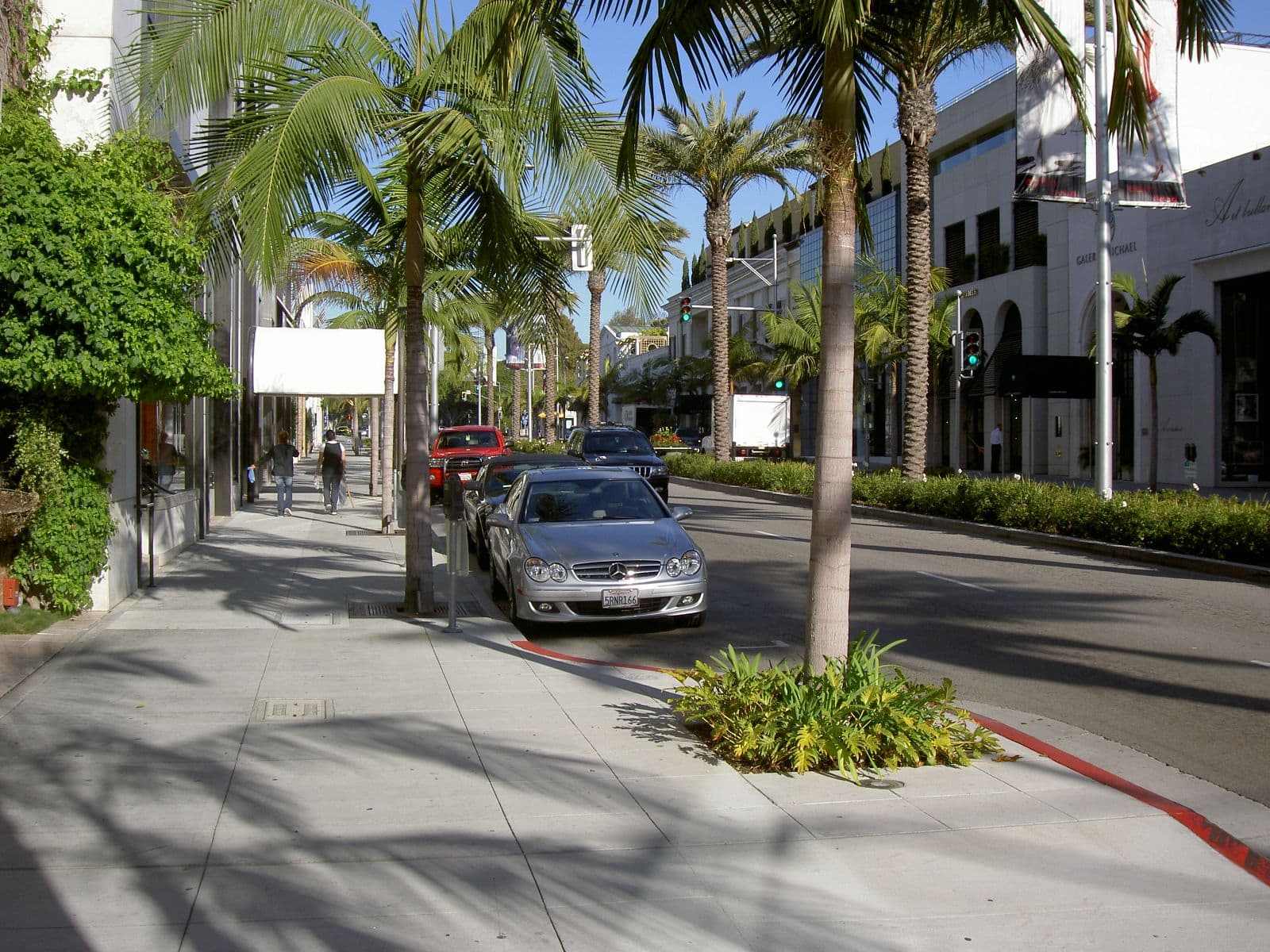
This pattern has become systematic. Saint Laurent's creative director Anthony Vaccarello cast 82-year-old Christopher Walken in a recent menswear campaign, following earlier choices of Michelle Pfeiffer (66), Charlotte Rampling (78), Keanu Reeves, and Lenny Kravitz (both in their 50s). The shift breaks cleanly with the youth-focused aesthetic that dominated modeling for decades; brands increasingly position age and distinctive appearance as assets rather than liabilities.
Other luxury houses have followed comparable strategies. Loewe cast Dame Maggie Smith, then 88, in an October 2023 campaign, then featured actor Daniel Craig as its menswear muse for autumn/winter 2024. Balenciaga cast 70-year-old actress Isabelle Huppert alongside a 24-year-old pop star. Bottega Veneta recruited Lauren Hutton, Julianne Moore, musician Neneh Cherry, and author Zadie Smith. Brioni went further still, enlisting the heavy metal band Metallica as campaign faces.
The trend extends to runway casting as well. By seating established actors and musicians in front rows and occasionally walking shows themselves, brands answer a fundamental question about their identity: who is this brand for? Celebrity presence acts as a cultural marker, positioning designers within specific spheres and establishing audience belonging without requiring explicit commentary.
“Rather than buying pure visual appeal, brands now acquire an audience, a story, and a form of cultural authority that extends far beyond the single season a campaign runs.”
Authenticity as Market Strategy
The language around these appointments—authenticity, character, narrative—points to a shift in what fashion values in its public faces. The traditional model's job was to present the designer's vision with minimal interference from the model's own persona. Contemporary ambassadors do the opposite: they bring their persona forward, and the brand positions itself as an extension or reflection of it.
This requires a different calculus. A brand cannot simply purchase a face anymore; it must find a figure whose existing public identity aligns with or enhances what it is selling. An actor known for roles in prestige television carries associations with those roles into a fashion campaign. Walken's menswear campaign for Saint Laurent trades on decades of his distinctive presence in cinema; the campaign does not create his authority, it borrows from it.
For consumers, this represents a departure from the clearly demarcated endorsement model. Rather than seeing a hired spokesperson, audiences increasingly encounter figures who present as genuine enthusiasts. In an era where social media users express skepticism toward obvious paid sponsorships, brands calculate that an actor's existing cultural standing provides more credibility than even substantial compensation could purchase through a traditional model. Authenticity, in this context, functions as a business strategy rooted in audience psychology rather than genuine personal preference.
Cinema and Product Placement
The alliance between fashion and film and television actors carries practical advantages beyond brand storytelling. Cinema and television series shape consumer perception of style directly. Costume design in prestige television and film reaches audiences already primed to absorb visual information; a suit worn by a recognizable actor in a scripted drama functions as both narrative element and implicit endorsement.
Fashion benefits from this alignment. When an actor wears a brand across multiple projects—whether through deliberate placement or costume design—audiences absorb the association repeatedly, in contexts where fashion itself is not the primary subject. A designer coat in a film scene carries different weight than the same coat in a fashion advertisement because viewers are attending to story, not commerce.
This dynamic explains why brands prioritize film and television actors over other forms of celebrity. A musician's visibility concentrates within their fan base and music-adjacent contexts. An actor's visibility extends across narrative mediums and time; viewers encounter the actor across multiple seasons or years, with each viewing refreshing brand association. For a brand like Gant, Theo James's roles across multiple seasons of The Gentlemen and his continued visibility in prestige television create sustained touchpoints with potential consumers who encounter his image in entertainment contexts unrelated to advertising.
The Economics and Industry Implications
The trend reflects economic logic that extends beyond individual campaigns. Traditional modeling agencies trained models exclusively for fashion work; top models commanded significant fees while building recognizable profiles mostly within the fashion industry itself. Established actors, by contrast, arrive with audiences that already number in millions. A brand pays for access to their existing visibility; the model's traditional relationship with fashion becomes secondary to their existing audience size.
For actors, these ambassador roles function as additional income from existing cultural capital. The appointment does not require them to become different versions of themselves; it monetizes who they already are. Unlike traditional endorsements, which asked actors to attach their name to products, contemporary ambassador partnerships invite actors to present the product as aligned with their existing persona.
The implications for traditional modeling remain complex. Professional models continue to work in fashion shows, editorials, and advertising, but their role has shifted. Rather than serving as the primary face of luxury brands, models increasingly function as specialists within particular contexts—runway presentations, digital campaigns targeting specific demographics, or regional advertising. The most visible, culturally resonant ambassador positions increasingly go to actors, musicians, and other figures whose careers extend beyond fashion itself.
More from Style
Cover Stars
Monique Lester's Career in Frames: Playboy, Magnifiqué and a Brand of Her Own
From her first shoots at 12 to Playboy and a 2025 Magnifiqué cover by Richard Lancaster, Monique Lester's career is now heading into lingerie design.
costume design
Why California's SB 253 Is Forcing Costume Departments to Track Emissions
California's emissions reporting law and studio commitments are forcing costume and wardrobe teams to rethink how they source, clean and dispose of garments.